World Parkinson’s Disease Day 2026: Theme, Significance, Causes, and Treatment
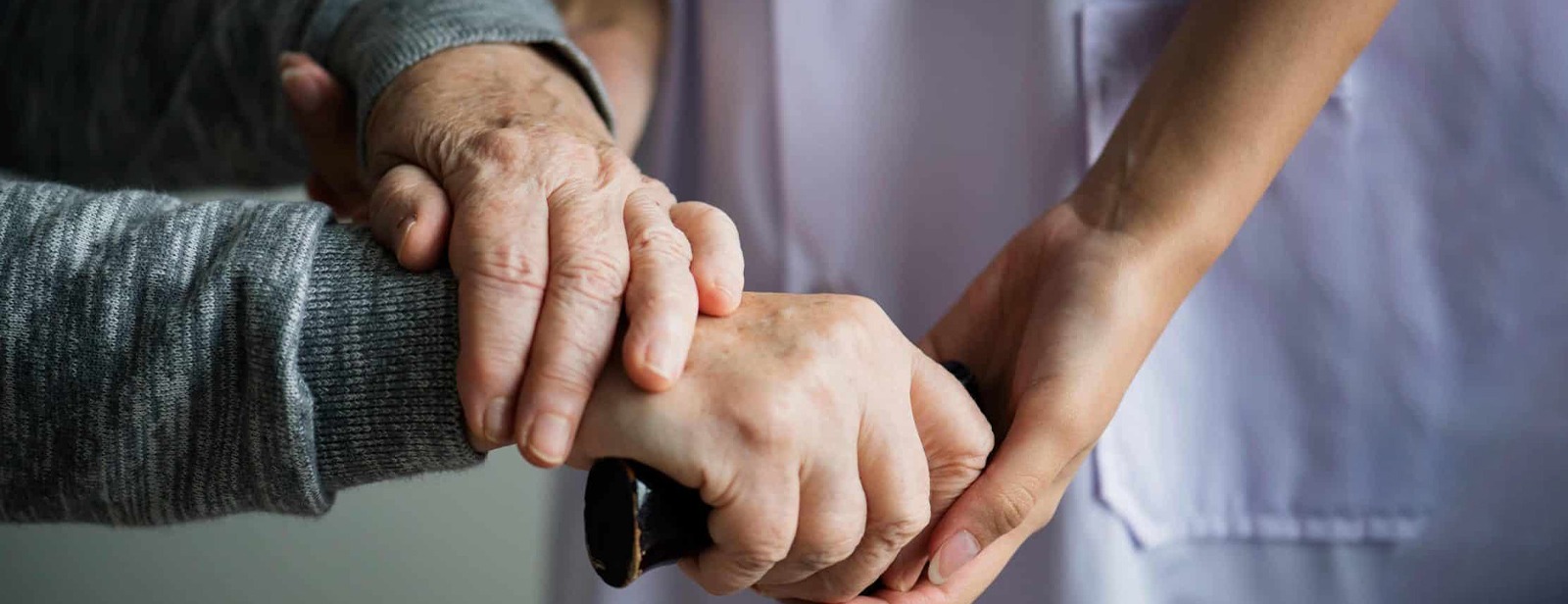
Every year on April 11, people around the globe observe World Parkinson’s Disease Day - a meaningful initiative aimed at increasing awareness about Parkinson’s disease and supporting individuals living with it. Although it is one of the most widespread neurological conditions, Parkinson’s is frequently misunderstood, underdiagnosed, and often carries social stigma. As a result, this year’s theme, “Bridge the Care Gap,” emphasises the urgent need to close disparities in awareness, diagnosis, and access to quality care.
This blog delves into the theme, significance, causes, and treatments of Parkinson’s disease, offering insights into the condition.
Theme of World Parkinson’s Disease Day 2026
Each year, World Parkinson’s Day highlights a key theme to raise awareness. In 2026, the theme “Bridge the Care Gap” focuses on a major healthcare challenge. Despite medical progress, many people still face limited access to specialists, high treatment costs, and a lack of coordinated support. Bridging this gap means going beyond diagnosis to ensure continuous, well-rounded care.
What is Parkinson’s Disease?
Parkinson’s disease is a progressive neurological condition that mainly affects movement. It occurs when nerve cells in the brain gradually break down, resulting in a decrease in dopamine, a chemical essential for smooth movement and coordination. As dopamine levels decline, symptoms like tremors, stiffness, and balance issues appear, and over time, it may also affect speech, mood, and cognitive abilities.
Significance of World Parkinson’s Disease Day
1. Raising Awareness
Many people still associate Parkinson’s only with tremors, but the condition is far more complex. Awareness campaigns help educate the public about both motor and non-motor symptoms.
2. Encouraging Early Diagnosis
Early signs of Parkinson’s can be subtle and easily overlooked, often appearing as minor changes in movement, speech, or coordination. Timely diagnosis allows for better management and can help slow disease progression.
3. Supporting Patients and Caregivers
Living with Parkinson’s can be physically and emotionally challenging. Awareness initiatives create a supportive environment for patients and their families.
4. Reducing Stigma
Neurological disorders often carry social stigma. Open conversations help normalise these conditions and promote empathy.
5. Promoting Research
Global attention drives funding and research efforts aimed at finding better treatments and, ultimately, a cure.
Causes of Parkinson’s Disease
The exact cause of Parkinson’s disease remains unknown, but researchers believe it is a combination of genetic and environmental factors.
1. Loss of Dopamine-Producing Neurons
The primary cause is the degeneration of neurons that produce dopamine in the brain. Without sufficient dopamine, communication between brain cells becomes impaired.
2. Genetic Factors
Certain genetic mutations can increase the risk of developing Parkinson’s, although these cases are relatively rare.
3. Environmental Triggers
Exposure to toxins such as pesticides, herbicides, and heavy metals may contribute to the development of the disease.
4. Age
Parkinson’s disease is more common in people over the age of 60, although younger individuals can also be affected.
5. Oxidative Stress and Inflammation
These biological processes can harm brain cells and play a significant role in the progression of Parkinson’s disease. Oxidative stress occurs when there is an imbalance between free radicals and the body’s ability to neutralise them, while chronic inflammation can further damage neurons.
Symptoms of Parkinson’s Disease
Symptoms can vary widely but are generally categorised into motor and non-motor symptoms.
Motor Symptoms:
- Tremors (shaking), usually starting in one hand
- Muscle stiffness
- Slowed movement
- Impaired balance and posture
Non-Motor Symptoms:
- Depression and anxiety
- Sleep disturbances
- Loss of smell
- Constipation
- Cognitive changes
Recognising these early signs is crucial for timely intervention, as it allows for earlier medical evaluation, accurate diagnosis, and the timely start of appropriate treatment. This can help manage symptoms more effectively, slow disease progression, and significantly improve the patient’s overall quality of life.
Diagnosis of Parkinson’s Disease
There is no single test to diagnose Parkinson’s disease. Doctors rely on:
- Medical history
- Neurological examination
- Observation of symptoms
- Response to Parkinson’s medications
In some cases, imaging tests like MRI or PET scans may be used to rule out other conditions.
Treatment Options for Parkinson’s Disease
While there is currently no cure for Parkinson’s disease, various treatments can help manage symptoms effectively and improve quality of life.
1. Medications
Medications are the primary treatment and aim to increase or substitute dopamine levels in the brain, and help control movement-related symptoms, but may have side effects over time.
2. Surgical Treatments
Deep Brain Stimulation (DBS) - This advanced treatment involves implanting electrodes in specific areas of the brain. These electrodes send electrical signals that help regulate abnormal brain activity.
DBS is typically recommended for patients who do not respond well to medications.
3. Physical Therapy
Exercise plays a crucial role in managing Parkinson’s. It helps improve:
- Mobility
- Balance
- Flexibility
- Strength
Activities like walking, yoga, and stretching can be highly beneficial.
4. Speech and Occupational Therapy
Parkinson’s disease can impact speech as well as everyday activities, making communication and routine tasks more difficult over time. However, therapy plays an important role in helping patients improve their ability to communicate, maintain independence, and better adapt to daily challenges.
5. Lifestyle Changes
Simple lifestyle modifications can significantly enhance quality of life:
- Eating a balanced diet
- Staying physically active
- Managing stress
- Maintaining a regular sleep routine
Conclusion
Parkinson’s disease is a complex and progressive condition, but with the right awareness, timely diagnosis, and effective treatment, individuals can lead meaningful and fulfilling lives.
World Parkinson’s Day 2026 reminds us that awareness is the first step toward change. By educating ourselves, supporting those affected, and advocating for better healthcare, we can collectively make a difference.
For individuals living with Parkinson’s disease and their families, care extends beyond treatment—it is about ensuring access to the right resources, specialised medical expertise, and continuous support to preserve quality of life. At Neotia Getwel Multispecialty Hospital, Siliguri, we are committed to delivering comprehensive care, advanced treatment options, and unwavering support throughout every stage of the journey.