World Health Day 2026: Standing Together For Health and Science To Build A Healthier Future

Every year, World Health Day reminds us of one simple truth: health is not a privilege; it’s a necessity.
On April 7, World Health Day 2026 brings people together under a powerful message: “Together for health. Stand with science.” In a world overflowing with information, opinions, and quick fixes, science remains our most reliable guide to building a healthier future.
But what does it truly mean to stand with science? And why does it matter now more than ever?
The Age of Information—and Misinformation
According to the World Health Organization, misinformation during a health crisis can spread faster than the disease itself, contributing significantly to poor health outcomes and delayed care. In today’s world, where health advice is just a click away, everyone seems to have an opinion on what is “healthy,” from social media posts to forwarded messages.
While people are more informed than ever, they are also more exposed to misleading and inaccurate information. The problem isn’t just confusion—it has real-world consequences. Misinformation can delay diagnosis, worsen conditions, and, in some cases, even cost lives.
What Does “Standing With Science” Really Mean?
At its core, standing with science is about trusting research, data, and the expertise of healthcare professionals. It’s about understanding that every medical recommendation, every vaccine, and every treatment is backed by years of rigorous study and research.
It also means:
Asking questions, but seeking answers from credible sources
Being open to evolving knowledge as science progresses
Making health decisions based on evidence
Science is not static—it evolves. And that’s its greatest strength.
Standing with science means choosing evidence over opinion, facts over myths, and long-term well-being over quick fixes.
The Role of Science in Modern Healthcare
From life-saving surgeries to preventive screenings, science forms the backbone of modern healthcare. It has transformed how we diagnose, treat, and even prevent diseases.
Early Detection Saves Lives
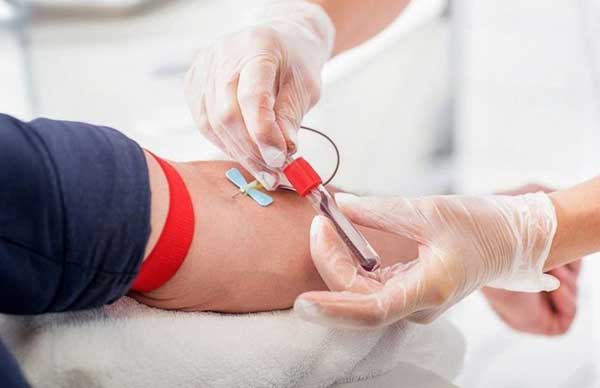
Scientific advancements have made it possible to detect diseases at an early stage—often before symptoms even appear. Screenings for conditions like cancer, diabetes, and heart disease allow timely intervention, significantly improving outcomes.
Evidence-Based Treatments
The time of guessing treatments is over. Today, medicines and therapies are carefully planned and tested to make sure they are safe and work well. Studies, expert-reviewed research, and data from around the world help provide better and more reliable healthcare.
Vaccines and Public Health
The World Health Organization reports that vaccines save an estimated 4–5 million lives each year worldwide, underscoring their role as one of the most impactful public health measures. As a cornerstone of scientific progress, vaccines have eliminated diseases, lowered death rates, and safeguarded generations.
Technology-Driven Care
Science and technology are making healthcare more accessible and precise. Patients can now receive quality care faster and more efficiently than ever before. Digital tools help doctors diagnose illnesses earlier and plan better treatments. Telemedicine allows people to consult healthcare professionals from anywhere, saving time and effort.
Everyday Health Choices Backed by Science
Standing with science isn’t something that only matters in hospitals, laboratories, or research centres—it has a significant impact on our everyday lives as well. From the food we eat and the medicines we take to the technology we rely on and the information we trust, science influences countless daily decisions.
Choosing evidence-based solutions helps us make healthier choices, prevent illness, and improve our overall well-being.
Nutrition
Fad diets may give quick results, but healthy eating based on science focuses on balance and long-term health. Learning about nutrients, portion sizes, and eating a variety of nutritional foods can make a big difference.
Fitness
Trends come and go, but science consistently supports regular physical activity as a key to overall well-being. Whether it’s walking, yoga, or strength training, consistency matters more than intensity.
Mental Health
Scientific research has helped break the stigma around mental health. It has shown that mental well-being is just as important as physical health, encouraging people to seek help without hesitation.
Sleep
Often overlooked, sleep is a scientifically proven pillar of good health. Poor sleep is linked to a range of health issues, from weakened immunity to chronic diseases.
Breaking Free from Health Myths
One of the biggest challenges in today’s health landscape is unlearning long-held myths. Many beliefs passed down through generations or spread online lack scientific backing.
For example:
- Natural remedies are always safe
- More exercise always means better results
- Skipping meals helps with weight loss
Standing with science doesn’t mean rejecting tradition—it means validating it through evidence. Some traditional practices have strong scientific support, while others may need to be reconsidered.
The Risks of Overlooking Science
Choosing to ignore science when it comes to health decisions can have serious and far-reaching consequences. When people neglect evidence-based guidance, the results can affect not only their own health but also the health of those around them.
Delayed treatment: Ignoring symptoms or scientific advice can allow diseases to progress, making recovery harder and more expensive.
Use of unverified remedies: Relying on unverified remedies can be ineffective or even harmful.
Poor management of chronic conditions: Avoiding evidence-based care for illnesses like diabetes or hypertension can worsen health outcomes.
Increased risk of preventable illness: Skipping vaccines or ignoring preventive measures can make individuals more susceptible to infections.
Mental health impact: Distrust in medical guidance can lead to anxiety, confusion, or poor decision-making.
The Role of Healthcare Providers in Standing with Science
Doctors, nurses, and healthcare professionals are the bridge between science and people. Their role goes beyond treatment—they educate, guide, and support.
By promoting evidence-based practices and addressing patient concerns, they help individuals make better health choices.
Key roles include:
Promoting evidence-based care: Ensuring that treatments, medications, and procedures are grounded in the latest scientific research.
Patient education: Helping individuals understand their conditions, preventive measures, and the benefits of vaccinations, screenings, and lifestyle choices.
Combating misinformation: Correcting myths and false information about health, nutrition, and medicine.
Research and innovation: Participating in clinical trials and studies to advance medical knowledge and improve future care.
The Individual’s Part in Advancing Scientific Wellness
Standing with science doesn’t require big changes—it starts with small, conscious decisions:
- Verify health information before believing or sharing it
- Consult qualified professionals for medical advice
- Prioritise regular health checkups
- Follow science-backed lifestyle habits
- Stay curious and open to learning
Every informed choice contributes to a healthier future—not just for individuals, but for entire communities.
Conclusion
In a world filled with noise, misinformation, and conflicting advice, science offers clarity and guidance. It doesn’t promise instant solutions or quick fixes, but it provides something far more valuable—reliability, safety, and steady progress. By following evidence-based practices, we can make informed decisions that protect our health, improve outcomes, and prevent unnecessary risks.
Neotia Getwel Multispecialty Hospital proudly stands with science, prioritising evidence-based care in every treatment and decision to ensure the highest quality outcomes for patients.
Because a healthier future isn’t built on guesswork, rumors, or quick fixes—it’s built on knowledge, evidence, and informed action.