Why Is Blood Donation Important? Benefits and Impact Explained
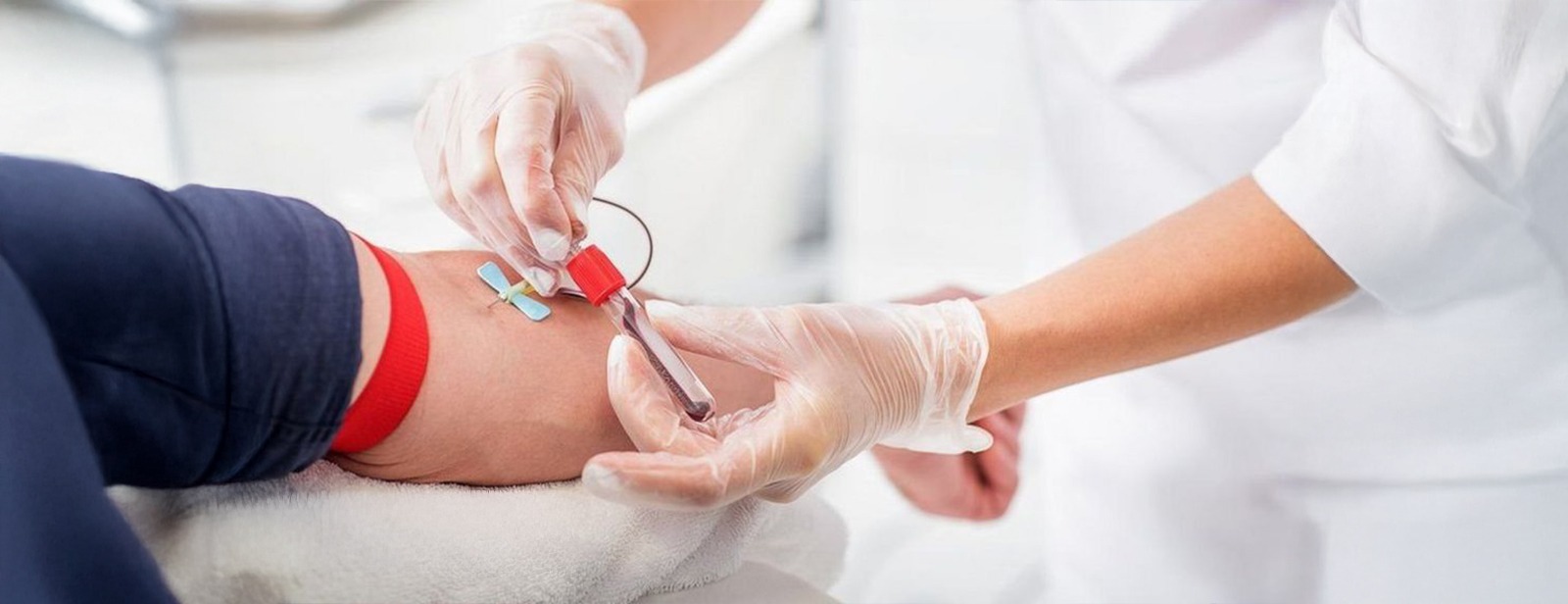
Blood donation is one of the most powerful ways to help others. Every day, patients require blood for surgeries, accident recovery, cancer treatments, and childbirth complications. Since there is no artificial substitute for human blood, voluntary donors play a critical role in saving lives.
What makes blood donation even more impactful is that one unit of donated blood can be separated into red blood cells, plasma, and platelets, allowing it to help multiple patients. A single donation can potentially save or improve up to three lives. By donating blood regularly, individuals contribute to a safe and reliable blood supply, ensuring hospitals can meet urgent medical needs when it matters most.
What Is Blood Donation?
Blood donation is the voluntary process of giving blood so it can be used to help patients in need. During the donation process, a trained healthcare professional collects blood from a donor, which is then tested, processed, and stored for future medical use.
- Red Blood Cells (RBCs): Carry oxygen throughout the body.
- Plasma: The liquid portion of blood that contains proteins and nutrients.
- Platelets: Help blood clot and prevent excessive bleeding.
- Cryoprecipitate: Contains clotting factors used for specific medical treatments.
Because different patients require different blood components, one donation can benefit multiple individuals.
The Growing Need for Blood Donations
The demand for blood is constant and universal. Hospitals require blood every day for a variety of medical procedures and emergencies.
Some common situations where blood is needed include:
1. Accident and Trauma Victims
Road accidents, industrial injuries, burns, and other traumatic events can lead to severe blood loss. Immediate blood transfusions often mean the difference between life and death.
2. Surgical Procedures
Many surgeries, including heart surgeries, organ transplants, and orthopedic procedures, require blood transfusions to replace blood lost during operations.
3. Cancer Treatments
Cancer patients often need blood and platelet transfusions during chemotherapy and radiation therapy because these treatments can affect the body's ability to produce healthy blood cells.
4. Childbirth Complications
Severe bleeding during pregnancy or childbirth remains a major cause of maternal mortality worldwide. Blood transfusions are often essential in such cases.
5. Blood Disorders
Patients with conditions such as thalassemia, sickle cell disease, hemophilia, and aplastic anemia frequently depend on regular blood transfusions for survival.
Without a steady supply of donated blood, many life-saving treatments would not be possible.
Why Is Blood Donation Important?
Blood donation is important because it directly saves lives and supports healthcare systems around the world. Here are some key reasons why it matters.
1. It Saves Lives
The most significant reason to donate blood is that it saves lives. Every donation has the potential to help multiple patients in need.
Whether it is a child undergoing surgery, a cancer patient receiving treatment, or an accident victim in critical condition, donated blood provides a second chance at life.
Many people survive emergencies solely because blood was available when they needed it most.
2. Blood Cannot Be Manufactured
Unlike many medicines and medical products, blood cannot be produced in a laboratory. Scientists have not yet developed a complete artificial substitute for human blood.
This means hospitals rely entirely on donations from healthy individuals.
Every pint of donated blood comes from someone willing to help another person. Without donors, healthcare systems would struggle to meet patient needs.
3. Supports Emergency Preparedness
Natural disasters, pandemics, and mass casualty incidents can create sudden spikes in blood demand.
Maintaining adequate blood reserves ensures hospitals are prepared for emergencies and can respond quickly when large numbers of patients require treatment.
Regular blood donors play a vital role in strengthening emergency healthcare readiness.
4. Helps Patients with Chronic Illnesses
Many individuals with chronic medical conditions depend on regular blood transfusions.
For example:
- Thalassemia patients may require blood every few weeks.
- Leukemia patients often need platelets during treatment.
- Patients with severe anemia may need repeated transfusions.
Regular donations help these individuals maintain their quality of life and continue treatment successfully.
5. Strengthens Community Support
Blood donation is a powerful example of community service and social responsibility.
When people donate blood, they contribute to a system that benefits everyone. Any person may someday need blood due to an accident, surgery, or illness.
By donating, individuals help create a stronger, healthier, and more compassionate society.
Health Benefits of Blood Donation for Donors
While the primary purpose of donating blood is to help others, donors can also experience several health benefits.
1. Stimulates Blood Cell Production
After donating blood, the body begins producing new blood cells to replace those lost during donation.
This natural regeneration process helps maintain healthy blood circulation and supports the body's overall functioning.
2. May Support Heart Health
Some studies suggest that regular blood donation may help reduce excess iron levels in the body.
High iron levels have been associated with oxidative stress, which can contribute to cardiovascular issues. Maintaining balanced iron levels may support heart and vascular health.
3. Free Health Screening
Before donating blood, donors typically undergo a basic health assessment that includes:
- Blood pressure check
- Pulse rate measurement
- Hemoglobin testing
- Body temperature evaluation
These screenings can help identify certain health concerns early and encourage donors to monitor their overall wellness.
4. Encourages Healthy Habits
Regular blood donors often become more conscious of their health and lifestyle choices.
To remain eligible for donation, many individuals focus on:
- Eating nutritious foods
- Staying hydrated
- Exercising regularly
- Avoiding unhealthy habits
This increased health awareness can lead to long-term wellness benefits.
5. Provides Emotional Satisfaction
One of the greatest rewards of blood donation is knowing that your contribution could save someone's life.
Many donors report feeling a sense of fulfillment, happiness, and purpose after donating blood.
Helping others can improve emotional well-being and create a positive impact on mental health.
Who Can Donate Blood?
Eligibility requirements may vary slightly depending on local guidelines, but most donors should:
- Be between 18 and 65 years of age
- Weigh at least 50 kg
- Have adequate hemoglobin levels
- Be in good general health
- Not have certain infectious diseases
Potential donors should consult local blood donation centers for specific eligibility criteria.
Common Myths About Blood Donation
Despite its importance, several myths discourage people from donating blood.
Myth 1: Blood Donation Is Painful
Reality: Most donors experience only a brief pinching sensation when the needle is inserted.
The procedure is generally comfortable and well-tolerated.
Myth 2: Donating Blood Causes Weakness
Reality: The body quickly replenishes the donated blood volume.
Proper hydration, nutrition, and rest help donors recover rapidly.
Myth 3: Blood Donation Is Unsafe
Reality: Blood donation is highly regulated and performed using sterile, single-use equipment.
There is no risk of contracting diseases from donating blood.
Myth 4: Only Certain Blood Types Are Needed
Reality: All blood types are valuable.
Different patients require different blood groups, making every donor important.
Myth 5: You Can Donate Only During Emergencies
Reality: Blood is needed every day, not just during crises.
Regular donations help maintain a stable blood supply throughout the year.
Why Regular Blood Donors Are Essential
While emergency donation drives are valuable, healthcare systems depend heavily on regular donors.
Regular donors provide several advantages:
- Consistent blood supply
- Better inventory management
- Reduced risk of shortages
- Improved emergency preparedness
Establishing a routine donation schedule helps ensure blood is available whenever needed.
How to Prepare for Blood Donation
To have a smooth donation experience:
Before Donation
- Drink plenty of water
- Eat a healthy meal
- Get adequate sleep
- Avoid alcohol and smoking
During Donation
- Stay relaxed
- Inform staff if you feel uncomfortable
- Follow all instructions from healthcare professionals
After Donation
- Continue drinking fluids
- Eat nutritious foods
- Avoid strenuous exercise for several hours
- Rest if needed
Proper preparation helps ensure a positive experience.
Conclusion
One Drop of Humanity. Give Blood. Save Lives.
Blood donation is far more than a medical procedure—it is an act of humanity. Every donation has the power to save lives, support critical treatments, and strengthen healthcare systems. Since blood cannot be manufactured, hospitals and patients depend entirely on voluntary donors to meet ongoing medical needs.
By choosing to donate blood regularly, you become part of a life-saving network that brings hope, healing, and a second chance to countless people. One simple act can make an extraordinary difference.
At Neotia Getwel Multispecialty Hospital, we encourage everyone to come forward and contribute to this noble cause, helping ensure that life-saving blood is available whenever and wherever it is needed most.