Vitamin D Deficiency: Why It’s Common in Winter & How to Fix It
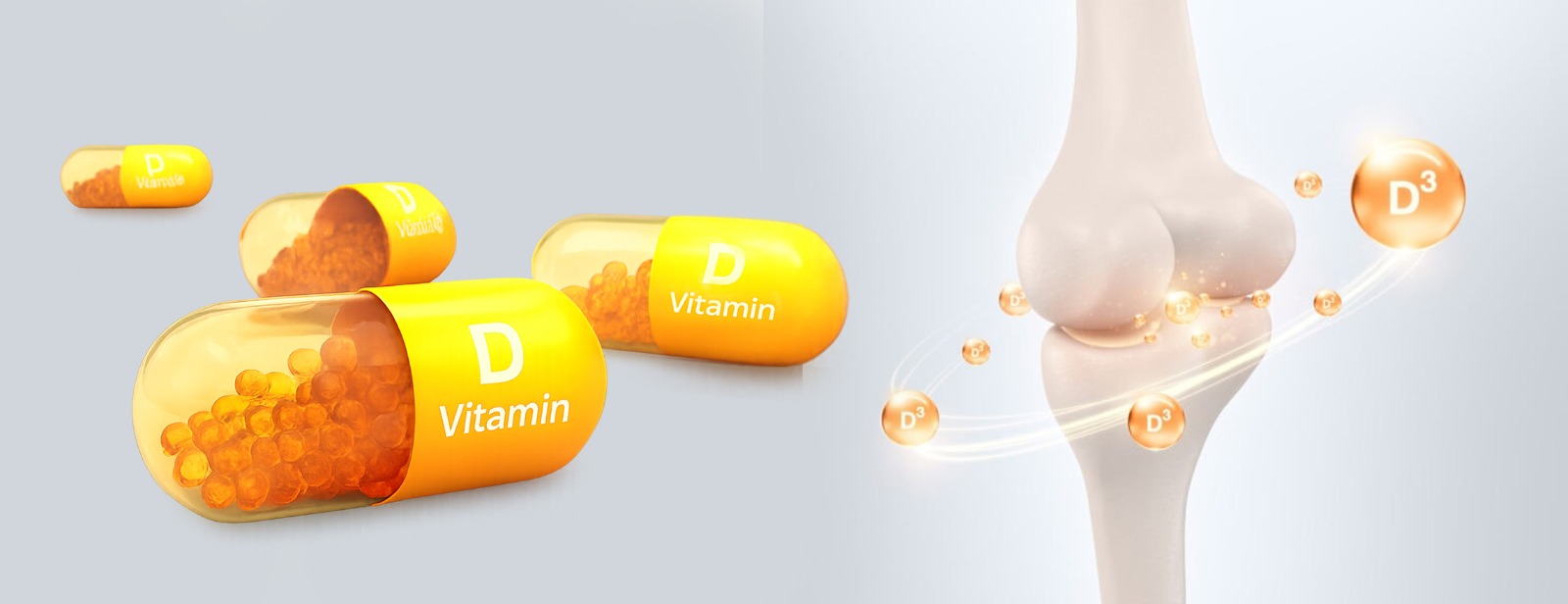
Vitamin D, often called the “sunshine vitamin,” plays a crucial role in supporting bone health, immunity, mood regulation, and overall well-being. Yet, despite its importance, Vitamin D deficiency is alarmingly widespread, especially seen during the winter months. Numerous studies show that up to 70–90% of Indians have insufficient Vitamin D levels, making it one of the most common nutritional deficiencies in the country.
As temperatures drop and days grow shorter, the manifestation of Vitamin D deficiency becomes even more prevalent. Understanding why this happens, recognizing the signs, and taking steps to protect your health are essential—especially during winter.
Let's get an in-depth look at the causes, symptoms, risks, and solutions for Vitamin D deficiency.
What Is Vitamin D, and Why Does It Matter?
Vitamin D is a fat-soluble vitamin that performs several key functions in the body:
1. Boosts Calcium Absorption
Helps build and maintain strong bones, teeth, and muscles.
2. Strengthens the Immune System
Supports the body’s ability to fight infections, inflammation, and autoimmune disorders.
3. Regulates Mood
Low Vitamin D levels are linked to Seasonal Affective Disorder (SAD), anxiety, and depression.
4. Supports Hormonal Balance
Essential for metabolic functions, reproductive health, and neuromuscular performance.
While Vitamin D can be obtained through food and supplements, the body synthesizes most of it through a reaction in the skin triggered by sunlight exposure, especially UVB rays.
Why Is Vitamin D Deficiency Common in Winter?
Several environmental and lifestyle factors reduce Vitamin D levels during colder months. Here’s why:
1. Reduced Sunlight Exposure
Winter days are shorter, and the sun’s UVB rays become weaker. This means:
- Less direct sunlight reaches the skin
- People spend more time indoors
- Even when outdoors, heavy clothing blocks UVB exposure
This drastically lowers the skin’s ability to produce Vitamin D naturally.
2. Higher Sun Angle & Atmospheric Changes
During winter, the sun sits lower in the sky. As a result:
- UVB rays travel a longer path through the atmosphere
- Very little UVB actually reaches the skin
- Even 20–30 minutes of sunlight may not be enough
This makes natural Vitamin D synthesis difficult.
3. Increased Pollution & Cloud Cover
Air pollution, especially in urban and industrial regions, absorbs UVB rays. Thick smog, haze, and cloud cover during winter further reduce natural Vitamin D production.
4. Indoor Lifestyle Habits
People tend to stay indoors due to colder temperatures. Modern indoor routines also contribute:
- Office jobs
- Screen-based work
- Reduced outdoor activities
- Covered skin due to warm clothing
All these decrease sunlight exposure significantly.
5. Dietary Limitations
Vitamin D-rich foods are limited. Even those who maintain a balanced diet may still fail to meet the daily requirement without sunlight or supplements.
Natural dietary sources include:
- Fatty fish (salmon, sardines, tuna)
- Egg yolks
- Cod liver oil
- Fortified milk & cereals
However, most diets do not provide adequate Vitamin D to compensate for winter loss.
Common Symptoms of Vitamin D Deficiency
Deficiency can develop slowly and may be overlooked. Watch for:
- Persistent fatigue
- Bone and joint pain
- Frequent infections
- Muscle weakness or cramps
- Low mood or irritability
- Hair loss
- Poor sleep quality
- Slow wound healing
In severe or long-term deficiency, individuals may develop:
- Osteomalacia (soft bones in adults)
- Increased fracture risk
Children may experience bone deformities such as rickets.
Health Risks Associated With Low Vitamin D
Vitamin D deficiency is more than just a nutritional concern—it is linked to several health problems:
- Weak immunity and frequent colds/flu: Vitamin D is essential for immune cell activation.
- Chronic fatigue and low energy: Low Vitamin D interferes with muscle performance and cellular energy production.
- Mood disorders: Reduced sunlight impacts serotonin levels and circadian rhythm.
- Heart health concerns: Long-term deficiency is associated with hypertension and cardiovascular issues.
- Bone density loss: Deficiency accelerates bone weakening and increases the risk of fractures.
Early detection and correction can help prevent these complications.
How to Fix Vitamin D Deficiency in Winter
Even though winter affects natural sunlight production, there are effective ways to maintain healthy Vitamin D levels.
1. Smart Sun Exposure
Aim for 15–30 minutes of sunlight between 10 AM and 2 PM, when UVB rays are strongest.
Expose:
- Face
- Arms
- Legs
(Note: Sunscreen reduces Vitamin D synthesis but is still important for skin protection after limited exposure.)
2. Add Vitamin D-Rich Foods to Your Diet
Include:
- Oily fish
- Egg yolks
- Mushrooms exposed to sunlight
- Fortified dairy products
- Fortified cereals
- Ghee and butter (in moderation)
A balanced, nutrient-rich diet supports overall health and reduces deficiency risk.
3. Supplementation (Under Medical Supervision Only)
Most people require supplements, especially in winter. Doctors typically recommend:
- Vitamin D3 (cholecalciferol)
- Weekly or monthly high-dose sachets/tablets
- Daily low-dose Vitamin D3 drops or tablets
- Calcium supplements for bone support (if required)
Never start supplements without proper blood testing.
4. Maintain an Active Lifestyle
Exercise boosts bone health, muscle strength, and energy levels.
Recommended activities:
- Walking outdoors
- Yoga
- Pilates
- Strength training
Regular physical activity enhances Vitamin D utilization.
5. Regular Monitoring
Vitamin D deficiency often goes unnoticed. A simple blood test—25-hydroxyvitamin D—can determine your levels accurately.
Based on results, specialists can recommend:
- Supplement dosage
- Sunlight exposure
- Diet modifications
- Follow-up testing schedule
When Should You See a Doctor?
Seek medical evaluation if you experience:
- Persistent fatigue
- Frequent infections
- Chronic muscle or bone pain
- Low mood during winter
- Difficulty concentrating
- Slow recovery from illness
Early diagnosis prevents long-term complications and improves quality of life.
Conclusion: Your Winter Health Matters
Vitamin D deficiency is very common, especially in winter—but the good news is that it is easy to prevent and highly treatable.
By combining sensible sunlight exposure, dietary improvements, lifestyle changes, and medical guidance, you can restore healthy Vitamin D levels and protect your bones, immunity, and mood all winter long.
At Neotia Getwel, our experts are equipped to diagnose and treat Vitamin D deficiency with personalized care plans tailored to your needs.
Take charge of your health today—your body will thank you this winter and beyond.