Understanding Gastric Problems: A Complete Guide to Causes, Treatment & Prevention

Gastric problems have become increasingly common in India, affecting millions of people across all age groups. From occasional acidity to chronic gastritis, these digestive disorders can significantly impact quality of life, productivity, and overall well-being. Understanding the causes, recognizing symptoms early, and adopting appropriate treatment and prevention strategies can help manage these conditions effectively.
What Are Gastric Problems?
Gastric problems, also known as gastrointestinal or digestive disorders, refer to conditions that affect the stomach and digestive system. These include a wide range of issues such as acidity, gastritis, peptic ulcers, gastroesophageal reflux disease (GERD), indigestion, and functional dyspepsia. The stomach produces hydrochloric acid to digest food, but when this acid production becomes excessive or when the protective lining of the stomach is compromised, various gastric problems can develop.
The Growing Concern in India
Recent health statistics reveal an alarming trend in India. According to gastroenterology studies, approximately 30% of the Indian population suffers from some form of gastric disorder. Urban populations are particularly affected, with lifestyle factors playing a significant role. Research indicates that GERD alone affects around 7.6% to 22% of Indians, while functional dyspepsia affects nearly 15-20% of the population.
The increasing prevalence is attributed to changing dietary habits, rising stress levels, irregular eating patterns, widespread use of painkillers and antibiotics, and sedentary lifestyles that have become common in modern Indian society.
Types of Gastric Diseases: Understanding Different Conditions
Gastric problems encompass various distinct conditions, each with unique characteristics and implications. Understanding these different diseases helps in better recognition and management.
Gastritis: Gastritis is the inflammation of the stomach lining, which can be acute (sudden onset) or chronic (long-term). It occurs when the protective mucous layer of the stomach is weakened or damaged, allowing digestive acids to inflame the stomach lining. Gastritis can lead to erosions and ulcers if left untreated.
Gastroesophageal Reflux Disease (GERD): GERD is a chronic condition where stomach acid or bile flows back into the esophagus, irritating its lining. This happens when the lower esophageal sphincter (the valve between esophagus and stomach) weakens or relaxes abnormally. Chronic GERD can lead to complications like esophagitis, Barrett's esophagus, and in rare cases, esophageal cancer.
Peptic Ulcer Disease: Peptic ulcers are open sores that develop on the inner lining of the stomach (gastric ulcers) or the upper portion of the small intestine (duodenal ulcers). These ulcers form when stomach acid damages the digestive tract lining. The most common causes are H. pylori infection and long-term use of NSAIDs.
Functional Dyspepsia: Also known as indigestion or non-ulcer dyspepsia, this condition causes chronic or recurring pain and discomfort in the upper abdomen without any visible signs of disease during endoscopy. The exact cause is often unclear, but it may involve abnormal gut motility, increased sensitivity to stomach acids, or psychological factors.
Gastroparesis: This condition involves delayed stomach emptying without any blockage. The stomach muscles don't work properly, causing food to move slowly or stop moving through the digestive tract. Diabetes is a common cause, but it can also result from certain medications, surgery, or neurological conditions.
Gastric Ulcers: Specifically referring to ulcers in the stomach lining, gastric ulcers cause a burning pain in the middle or upper stomach, especially between meals or at night. They differ from duodenal ulcers in location and sometimes in symptoms and treatment approach.
Acute Gastroenteritis: Often called stomach flu, this involves inflammation of the stomach and intestines, typically caused by viral or bacterial infections. It leads to symptoms like diarrhea, vomiting, abdominal cramps, and sometimes fever. While usually self-limiting, severe cases require medical attention.
Helicobacter Pylori Infection: H. pylori is a bacterial infection that burrows into the stomach's protective mucous lining, causing inflammation and increasing the risk of peptic ulcers and stomach cancer. Many people with H. pylori infection don't experience symptoms, but it's a significant underlying cause of various gastric diseases.
Zollinger-Ellison Syndrome: This rare condition involves tumors (gastrinomas) that form in the pancreas or duodenum, causing excessive production of gastrin hormone. This leads to severe peptic ulcers and excessive stomach acid production. It requires specialized treatment and monitoring.
Gastric Cancer: While less common than other gastric conditions, stomach cancer is a serious disease that develops in the stomach lining. Risk factors include chronic H. pylori infection, chronic gastritis, family history, smoking, and certain dietary factors. Early detection significantly improves treatment outcomes.
Common Causes of Gastric Problems
Understanding the root causes of gastric problems is essential for effective management and prevention.
Dietary Factors:
- Consuming spicy, oily, and processed foods regularly
- Excessive consumption of tea, coffee, and carbonated beverages
- Irregular meal timings and skipping meals
- Overeating and consuming large portions
- High intake of acidic foods and citrus fruits
Lifestyle Factors:
- Chronic stress and anxiety
- Lack of physical activity and sedentary lifestyle
- Smoking and tobacco use
- Excessive alcohol consumption
- Poor sleep patterns and inadequate rest
- Irregular daily routines
Medical Factors:
- Helicobacter pylori bacterial infection
- Prolonged use of NSAIDs (aspirin, ibuprofen)
- Certain chronic conditions (diabetes, autoimmune disorders)
- Side effects of specific medications
- Hormonal changes
Other Contributing Factors:
- Being overweight or obese
- Wearing tight clothing around the abdomen
- Genetic predisposition
- Age-related factors
- Environmental stress
Recognizing the Symptoms
Early recognition of symptoms can help in timely diagnosis and treatment. Common symptoms include:
- Burning sensation in the chest or upper abdomen (heartburn)
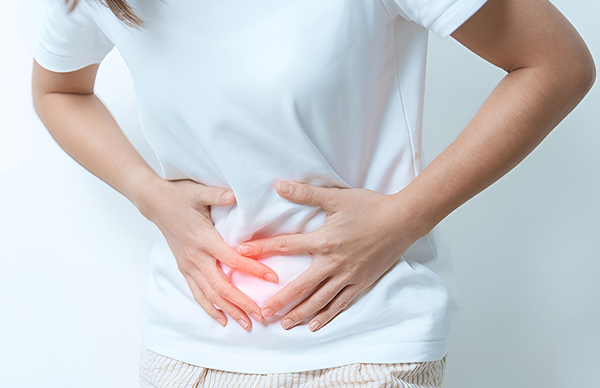
- Persistent stomach pain or discomfort
- Bloating and feeling of fullness even after small meals
- Nausea and vomiting
- Loss of appetite
- Frequent burping or belching
- Sour or bitter taste in the mouth
- Difficulty swallowing
- Unexplained weight loss
- Dark or bloody stools (indicating more serious conditions)
- Excessive gas and flatulence
- Abdominal cramping
When to Seek Immediate Medical Attention:
- Persistent symptoms lasting more than two weeks
- Severe abdominal pain
- Difficulty swallowing
- Persistent vomiting
- Blood in vomit or stool
- Unexplained weight loss
- Chest pain that radiates to jaw, neck, or arm
Diagnosis: How Gastric Problems Are Identified
Accurate diagnosis is essential for appropriate treatment. Healthcare providers use various methods to identify gastric problems.
Medical History and Physical Examination:
- Discussion of symptoms and their duration
- Review of dietary habits and lifestyle factors
- Medication history assessment
- Family history of digestive disorders
- Physical examination of the abdomen for tenderness or swelling
Common Diagnostic Tests:
- Upper Endoscopy: A thin, flexible tube with a camera is inserted through the mouth to examine the esophagus, stomach, and upper small intestine
- H. Pylori Testing: Conducted through breath tests, stool tests, or blood tests to detect bacterial infection
- Barium X-ray: Patient swallows a barium solution that coats the digestive tract, making it visible on X-rays
- Blood Tests: Check for anemia, infection, or other abnormalities
- Stool Tests: Detect blood in stool or H. pylori infection
- pH Monitoring: Measures acid levels in the esophagus over 24 hours
- Gastric Emptying Studies: Assess how quickly food leaves the stomach
- CT Scan or MRI: Used in complex cases to get detailed images of the digestive system
- Biopsy: Tissue samples taken during endoscopy for laboratory analysis
Treatment Options: Finding Relief
Treatment for gastric problems depends on the underlying cause and severity of the condition.
Lifestyle Modifications: Eating smaller, frequent meals instead of large meals reduces stomach pressure. Avoiding trigger foods such as spicy, oily, acidic, and processed foods helps minimize symptoms. Maintaining regular meal timings establishes a healthy digestive routine. Staying upright for at least 2-3 hours after meals prevents acid reflux. Elevating the head of your bed by 6-8 inches helps prevent nighttime reflux.
Medications: Antacids provide quick relief by neutralizing stomach acid. H2 receptor blockers like ranitidine reduce acid production. Proton pump inhibitors (PPIs) such as omeprazole and pantoprazole are more powerful acid reducers. Prokinetics help strengthen the lower esophageal sphincter and speed up stomach emptying. Antibiotics are prescribed if H. pylori infection is detected. Cytoprotective agents protect the stomach lining.
Stress Management: Regular practice of yoga and meditation reduces stress-related gastric issues. Adequate sleep of 7-8 hours nightly supports digestive health. Engaging in regular physical activity improves overall digestion. Deep breathing exercises help manage stress and anxiety.
Surgical Intervention: In severe cases, particularly with complicated GERD or large ulcers that don't respond to medication, surgical procedures may be necessary. Fundoplication is a common procedure that strengthens the valve between the esophagus and stomach.
Prevention: Your Best Defense
Prevention is always better than cure, especially when it comes to gastric problems.
Dietary Guidelines: Eat a balanced diet rich in fruits, vegetables, whole grains, and lean proteins. Include fiber-rich foods to promote healthy digestion. Stay adequately hydrated by drinking at least 8-10 glasses of water daily. Limit consumption of tea, coffee, and carbonated drinks. Avoid eating late at night or just before sleeping. Chew food thoroughly and eat slowly to aid digestion. Identify and avoid your personal trigger foods.
Healthy Habits: Maintain a healthy body weight through proper diet and exercise. Quit smoking and limit alcohol consumption. Exercise regularly for at least 30 minutes, five days a week. Practice stress-reduction techniques daily. Get adequate sleep and maintain consistent sleep schedules. Avoid unnecessary use of painkillers and antibiotics. Wear loose, comfortable clothing that doesn't constrict the abdomen.
Regular Health Checkups: Schedule regular health checkups, especially if you have a family history of digestive disorders. Don't ignore persistent symptoms or self-medicate for extended periods. Consult healthcare professionals at the first sign of concerning symptoms.
When to Seek Professional Help
While many gastric problems can be managed with lifestyle changes and over-the-counter medications, certain situations require immediate medical attention. These include severe abdominal pain, persistent vomiting, blood in vomit or stool, difficulty swallowing, unexplained weight loss, symptoms lasting more than two weeks despite home treatment, and chest pain that might be confused with gastric issues but could indicate heart problems.
Living with Gastric Problems: A Holistic Approach
Managing gastric problems requires a comprehensive approach that addresses physical, emotional, and lifestyle factors. Keep a food diary to identify trigger foods and patterns. Build a support system of family, friends, and healthcare providers. Stay informed about your condition and treatment options. Practice patience as healing takes time. Focus on overall wellness rather than just symptom management.
Conclusion
Gastric problems, while common and often manageable, should not be ignored or taken lightly. With the increasing prevalence of these conditions in India, awareness, early detection, and appropriate management have become more important than ever. By understanding the causes, recognizing symptoms early, seeking timely medical care, and adopting preventive measures, you can significantly improve your digestive health and overall quality of life.
Remember, your digestive system is central to your overall health and wellbeing. Take care of it through mindful eating, healthy lifestyle choices, stress management, and regular medical checkups. If you're experiencing persistent gastric problems, don't hesitate to consult with qualified healthcare professionals who can provide personalized guidance and treatment.
Your journey to better digestive health starts with small, consistent steps. Make those changes today for a healthier, more comfortable tomorrow.