Thyroid Disorders in Women: Symptoms Every Women Shouldn’t Ignore
In India, one in every 10 women is likely to experience thyroid disorders such as hypothyroidism or hyperthyroidism at some point in her lifetime. According to the Indian Journal of Endocrinology and Metabolism, nearly 15.86% of women experience thyroid-related health issues.
Women are more prone to thyroid issues than men, particularly during puberty, pregnancy, and menopause, when hormonal changes are at their peak. Unfortunately, many thyroid symptoms are subtle and are often mistaken for stress, fatigue, ageing, or lifestyle-related concerns.
Thyroid: An Overview
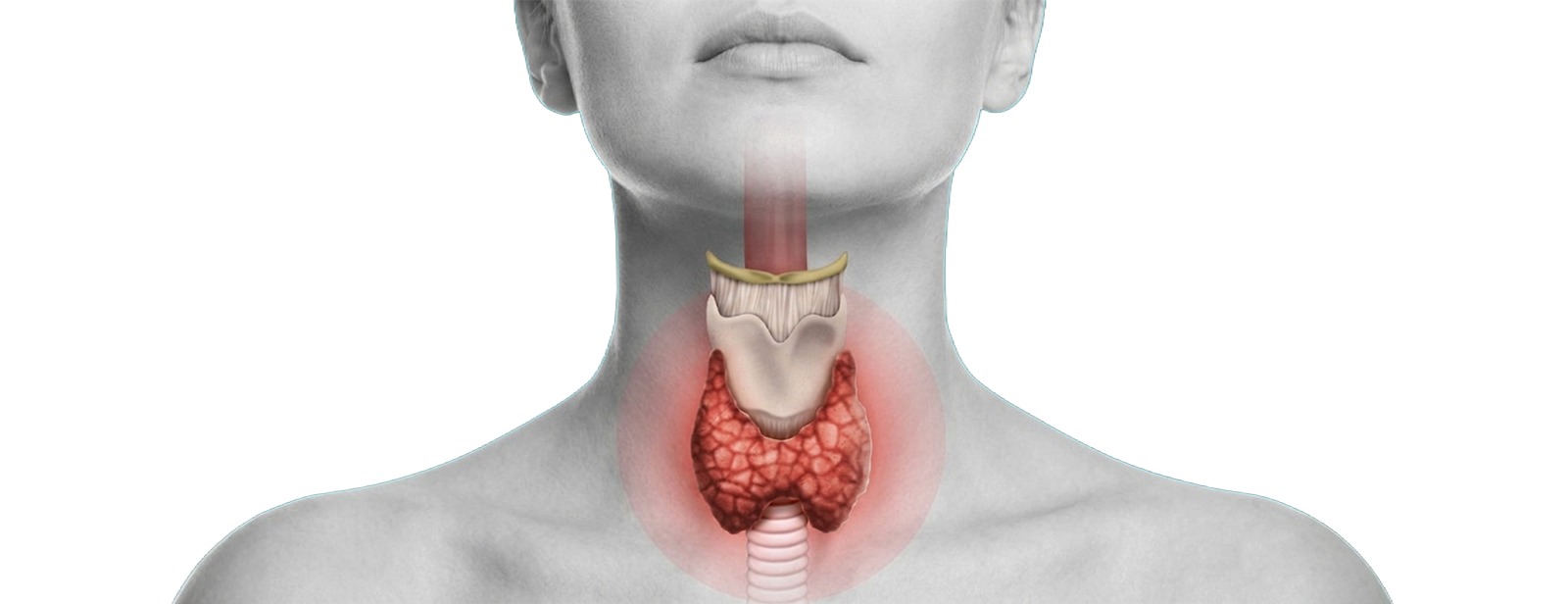
Although small, the thyroid is a butterfly-shaped gland located in the neck that plays a crucial role in overall health. It regulates metabolism, energy levels, and hormones, while also influencing mood, weight, heart rate, and body temperature—affecting nearly every system in the body.
Two common thyroid disorders are hypothyroidism, where the thyroid releases too little hormone, and hyperthyroidism, where it releases too much. Both conditions can affect the body’s energy levels, metabolism, mood, and overall health.
Understanding thyroid disorders, along with their symptoms, causes, and treatment options, can help women recognise warning signs early, seek timely medical care, and protect their long-term health.
What Causes Thyroid Problems in Women?
Several factors can contribute to thyroid disorders in women. Understanding these causes and risk factors can help with early detection and prevention.
Autoimmune Conditions
The most common cause of thyroid disorders is an autoimmune condition, where the body’s immune system mistakenly attacks the thyroid gland.
In Hashimoto’s thyroiditis, this immune attack gradually damages the thyroid, leading to reduced hormone production and resulting in hypothyroidism.
On the other hand, Graves’ disease triggers the opposite effect—here, the immune system overstimulates the thyroid, causing it to produce excessive hormones and leading to hyperthyroidism.
Together, these autoimmune conditions are among the leading causes of thyroid dysfunction worldwide.
Women are more prone to autoimmune thyroid diseases than men
Hormonal Changes
Hormonal fluctuations during puberty, pregnancy, postpartum, and menopause can affect thyroid function.
Some women develop postpartum thyroiditis after childbirth, which may temporarily or permanently affect the thyroid gland.
Family History
A family history of thyroid disorders can significantly increase the risk of developing similar conditions.
Iodine Imbalance
Iodine is essential for thyroid hormone production. Both iodine deficiency and excessive iodine intake can contribute to thyroid problems.
Stress
Chronic stress may affect hormone balance and trigger thyroid-related issues in some individuals.
Certain Medications
Some medications, including treatments for heart disease, mental health conditions, or cancer, may interfere with thyroid function.
Age and Gender
Women above the age of 30 are more commonly affected by thyroid conditions, although they can occur at any age.
Knowing these risk factors can encourage women to seek regular check-ups, especially if symptoms are present.
Common Thyroid Symptoms Women Often Ignore
Thyroid disorders generally occur when the thyroid gland produces too much hormone (hyperthyroidism) or too little hormone (hypothyroidism). Since thyroid hormones influence multiple body functions, symptoms can vary widely.
Persistent Fatigue
Feeling tired even after getting enough rest is one of the most common signs of thyroid imbalance. Women with hypothyroidism often experience constant exhaustion, low energy, and difficulty staying active throughout the day.
Unexplained Weight Changes
Sudden weight gain despite healthy eating and exercise may indicate an underactive thyroid. On the other hand, unexplained weight loss, increased appetite, or rapid metabolism may be linked to hyperthyroidism.
Hair Thinning and Hair Fall
Excessive hair fall, dry hair, thinning eyebrows, or brittle hair can occur due to thyroid hormone imbalance.
Mood Swings and Anxiety
The thyroid also affects mental health. Hypothyroidism may lead to depression, brain fog, and memory issues, while hyperthyroidism can cause anxiety, irritability, nervousness, and restlessness.
Irregular Menstrual Cycles
Thyroid disorders can disrupt hormonal balance, causing heavy periods, irregular cycles, missed periods, or fertility issues. Women experiencing unexplained menstrual changes should consider thyroid screening.
Sensitivity to Temperature
Feeling unusually cold all the time may be associated with hypothyroidism, while excessive sweating and heat intolerance may indicate hyperthyroidism.
Dry Skin and Brittle Nails
Dry skin, rough texture, cracked heels, and weak nails are often overlooked symptoms linked to thyroid dysfunction.
Sleep Problems
Difficulty sleeping, insomnia, or feeling sleepy throughout the day can also signal thyroid imbalance.
Swelling in the Neck
An enlarged thyroid gland, also known as a goitre, may appear as swelling or fullness around the neck area.
Ignoring these symptoms can affect daily life and overall well-being. Early diagnosis is important to prevent long-term complications.
When to See a Doctor
Many women delay medical consultation because thyroid symptoms can resemble common lifestyle issues like stress, lack of sleep, or ageing. However, persistent symptoms should never be ignored.
You should consult a doctor if you experience:
- Constant fatigue without a clear reason
- Sudden weight gain or weight loss
- Hair thinning or excessive hair fall
- Irregular menstrual cycles
- Anxiety, depression, or mood changes
- Difficulty sleeping
- Swelling in the neck
- Rapid heartbeat or palpitations
- Trouble concentrating or memory problems
Women who are pregnant, planning pregnancy, or have a family history of thyroid disease should undergo regular thyroid screening as advised by their doctor.
Diagnosis & Treatment Explained
Diagnosing thyroid disorders usually involves a combination of physical examination, medical history, and blood tests.
Thyroid Function Tests
Doctors commonly recommend blood tests such as:
- TSH (Thyroid Stimulating Hormone)
- T3 (Triiodothyronine)
- T4 (Thyroxine)
Abnormal levels can help determine whether the thyroid is overactive or underactive.
Imaging Tests
In some cases, ultrasound scans or thyroid scans may be advised to check for thyroid enlargement, nodules, or structural abnormalities.
Lifestyle Changes That Can Help
Along with medical treatment, certain lifestyle habits can support thyroid health and improve overall well-being.
Maintain a Balanced Diet
A balanced, nutrient-rich diet can help support thyroid health and hormone balance. Include fruits, vegetables, whole grains, lean proteins, and foods rich in selenium, zinc, and iodine — while limiting processed and sugary foods.
Stay Physically Active
Regular exercise can help improve metabolism, maintain weight, reduce stress, and boost energy levels.
Activities such as walking, yoga, swimming, or strength training can be beneficial.
Manage Stress
Stress management techniques like meditation, deep breathing, journaling, or mindfulness can support hormonal balance.
Prioritize Sleep
Good-quality sleep helps regulate hormones and improves energy levels and mental health.
Take Medications Properly
If prescribed thyroid medication, take it exactly as directed by your doctor. Avoid skipping doses or changing medication without medical advice.
Avoid Self-Diagnosis
Symptoms alone are not enough to diagnose thyroid disorders. Always consult a healthcare professional for proper evaluation and treatment.
Importance of Regular Monitoring
Routine blood tests and medical consultations are essential for effective thyroid management. Neotia Getwel Multispecialty Hospital provides expert-led thyroid care focused on accurate diagnosis and long-term wellness.
Professional guidance is important, as self-medication can sometimes worsen thyroid-related complications.
Conclusion
Thyroid disorders are common among women, yet their symptoms are often ignored or misunderstood. Fatigue, weight changes, mood swings, hair fall, and menstrual irregularities should not be dismissed as normal stress or ageing.
Early diagnosis and proper treatment can help manage symptoms effectively and prevent long-term complications. Paying attention to your body, maintaining a healthy lifestyle, and seeking timely medical advice can make a significant difference in thyroid health and overall quality of life
If you notice persistent symptoms or have concerns about your thyroid health, consult the experts at Neotia Getwel Multispecialty Hospital, Siliguri, for timely evaluation and guidance.