Risk Factors & Warning Signs of Childhood Cancer: A Comprehensive Guide

Introduction: Childhood Cancer in India
Every year, thousands of children across India receive a diagnosis that no family is ever prepared for — cancer. According to the National Cancer Registry Programme (NCRP), childhood cancers in the 0–14 age group account for approximately 4% of all diagnosed cancer cases in India, with over 60,720 cases recorded in the 0–19 age group between 2012 and 2019.
West Bengal ranks among the top three states in the country for total cancer incidence, reporting an estimated 1.13 lakh new cancer cases in 2023 alone — and childhood cancers form a significant, often underreported portion of this burden. In Kolkata, leukaemia accounts for nearly 37% of all pediatric cancer cases, mirroring national patterns where blood cancers dominate diagnoses in the 0–14 age group.
The hard truth is that 80–85% of global pediatric cancer cases occur in developing countries, yet fewer than 10% of affected children receive adequate, timely care. The difference between a treatable diagnosis and a tragic outcome often comes down to one factor: awareness.
Recognising early warning signs, understanding the types of childhood cancer, and knowing where to seek expert care can save a child's life. This blog is a comprehensive guide for every parent, caregiver, and concerned adult who believes that knowledge is the first step toward protection.
Common Types of Childhood Cancer
Childhood cancers are biologically distinct from adult cancers. They tend to grow faster but also respond better to treatment. Here are the most prevalent types:
1. Leukaemia (Blood Cancer)
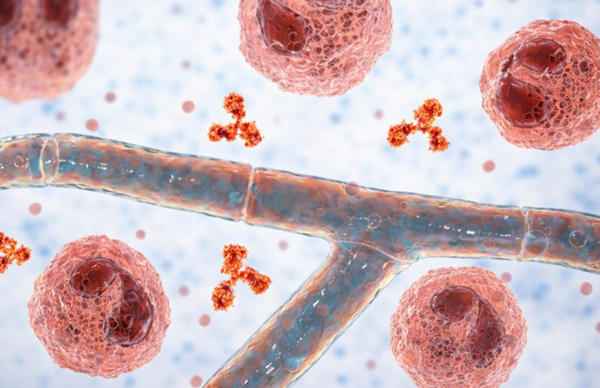
Leukaemia is the most common childhood cancer in India, comprising nearly 40% of all pediatric cancer diagnoses. It is a cancer of the blood-forming tissues, primarily the bone marrow — the spongy tissue inside bones where blood cells are produced. In leukaemia, this process goes wrong, and the body starts producing too many abnormal white blood cells that crowd out the healthy ones, weakening the body's ability to fight infections.
Acute Lymphoblastic Leukaemia (ALL) is the most frequent subtype, followed by Acute Myeloid Leukaemia (AML). As per NCRP data, lymphoid leukaemia is the leading cancer site for both boys (29.3%) and girls (24.3%) in the 0–14 age group. When caught early, ALL has one of the highest treatment success rates among all childhood cancers.
2. Brain and Central Nervous System (CNS) Tumours
CNS tumours are the second most common group of childhood cancers, accounting for 11–14% of cases. These include medulloblastoma (the most common malignant brain tumour), astrocytoma, and ependymoma — all referring to tumours that originate from different types of cells within the brain or spinal cord.
In simple terms, these are abnormal growths inside the brain or spinal cord that interfere with how the body functions. Depending on their location, they can affect a child's ability to walk, speak, see, balance, or think clearly. The type and position of the tumour determines both symptoms and treatment.
3. Lymphoma (Immune System Cancer)
Lymphomas represent about 12% of childhood cancers and affect the lymphatic system — the body's network of nodes and vessels responsible for fighting infections and disease. They are classified into two main types: Hodgkin Lymphoma (HL) and Non-Hodgkin Lymphoma (NHL).
HL is more common in older children and teens and generally follows a more predictable progression, while NHL grows more rapidly and requires more aggressive treatment. A painless, persistent swelling or lump in the neck, armpits, or groin is often the earliest and most visible warning sign.
4. Neuroblastoma
Neuroblastoma is a cancer of immature nerve cells called neuroblasts and is most common in infants and very young children under the age of 5. It usually starts in the adrenal glands — small glands that sit just above the kidneys — but can also develop along the nerve tissue in the chest, abdomen, or neck.
It is one of the most common solid tumours in early childhood. Parents may notice a swollen belly, a firm lump, or unexplained weight loss in their child. Because neuroblastoma tends to spread quickly to other parts of the body, early detection is critical.
5. Bone Cancer (Osteosarcoma & Ewing's Sarcoma)
Bone cancers account for approximately 8% of childhood cancers and most commonly affect teenagers during periods of rapid growth. Osteosarcoma typically develops in the long bones of the arms and legs, while Ewing's Sarcoma can arise in both bones and surrounding soft tissue and is generally more aggressive.
Persistent bone or joint pain — particularly pain that worsens at night, is not linked to any injury, or does not improve with rest — should never be dismissed as growing pains. Advances in treatment mean limb-salvage surgery has now replaced amputation in many cases, significantly improving long-term quality of life.
6. Retinoblastoma (Eye Cancer)
Retinoblastoma is a cancer of the retina - the light-sensitive tissue at the back of the eye that processes visual signals and sends them to the brain. It primarily affects children under 5 years and can be hereditary or occur without any family history.
The most recognisable early sign is leukocoria - a white or yellowish glow in the pupil, most commonly noticed by parents in flash photographs where one eye appears to glow white instead of showing the usual red-eye effect. India has a notably high incidence of retinoblastoma, and when detected early, it has one of the highest cure rates among all childhood cancers with strong vision-saving outcomes.
Causes and Risk Factors of Pediatric Cancer
Unlike adult cancers, most childhood cancers are not linked to lifestyle factors. The causes are often multifactorial and not always fully understood. Key risk factors include:
- Genetic mutations and chromosomal abnormalities: Conditions like Down syndrome significantly increase the risk of leukaemia. Inherited gene mutations (BRCA1, TP53, RB1) can predispose children to certain cancers.
- Exposure to radiation: Prenatal or early childhood exposure to ionising radiation is a known risk factor for leukaemia and brain tumours.
- Environmental and chemical exposure: Exposure to pesticides, benzene, and other industrial chemicals during pregnancy or early childhood may increase risk.
- Immune system disorders: Children with weakened immune systems — whether congenital or treatment-induced — face a higher risk of certain lymphomas.
- Family history: A first-degree relative with cancer or a known cancer syndrome raises the risk for specific pediatric cancers.
- Unknown and sporadic causes: The majority of childhood cancer cases arise from random genetic mutations with no identifiable cause.
Early Warning Signs and Symptoms
One of the biggest challenges in India is late-stage diagnosis due to low awareness. Parents and caregivers must watch for these persistent warning signs:
- Unexplained, prolonged fever that does not respond to antibiotics
- Unusual lumps or swelling in the neck, abdomen, or limbs
- Persistent headaches, especially with early-morning vomiting
- Sudden vision changes or a white glow (leukocoria) in one eye — a key sign of retinoblastoma
- Unexplained weight loss and loss of appetite
- Extreme fatigue, pallor, or easy bruising and bleeding
- Bone or joint pain without injury that worsens at night
- Changes in behaviour, balance, or sudden neurological symptoms
Diagnosis of Childhood Cancer
Diagnosing pediatric cancer involves a combination of clinical evaluation and advanced investigations. The standard diagnostic process includes:
- Complete Blood Count (CBC): Detects abnormalities in blood cells indicative of leukaemia or lymphoma.
- Imaging studies: X-rays, ultrasounds, CT scans, and MRI scans help locate tumours and assess their extent.
- Biopsy: A tissue sample is taken from the suspected tumour site for histopathological examination — the gold standard for cancer diagnosis.
- Bone marrow aspiration: Essential for diagnosing leukaemia and lymphoma.
- Lumbar puncture (Spinal tap): Used to check if cancer has spread to the central nervous system.
- Molecular and genetic testing: Identifies specific mutations to guide targeted therapy and assess prognosis.
Treatment Options for Pediatric Oncology
Treatment of childhood cancer is highly specialised and depends on the cancer type, stage, and the child's overall health. Dedicated paediatric oncology units across India have made significant strides in improving survival outcomes for children. Treatment modalities include:
Chemotherapy
The most widely used treatment for childhood cancer, chemotherapy uses drugs to destroy cancer cells. Children often respond better to chemotherapy than adults. Treatment can last months to years depending on the protocol and cancer type.
Surgery
Surgery aims to remove solid tumours completely or reduce tumour burden. It is commonly used for neuroblastoma, Wilms tumour, bone cancer, and retinoblastoma. Limb-salvage surgery has replaced amputation in many bone cancer cases.
Radiation Therapy
High-energy rays target and destroy cancer cells. Used cautiously in children due to long-term developmental risks, radiation is typically reserved for specific brain tumours, lymphomas, and cases where cancer has spread.
Targeted Therapy & Immunotherapy
Newer therapies target specific genetic mutations in cancer cells (targeted therapy) or enhance the body's immune system to fight cancer (immunotherapy). CAR-T cell therapy has shown remarkable results in relapsed ALL. These treatments are becoming increasingly available in select centres across India.
Bone Marrow / Stem Cell Transplant
Used in high-risk leukaemia and lymphoma cases, stem cell transplant replaces damaged bone marrow with healthy stem cells, either from the patient (autologous) or a donor (allogeneic). It is one of the most intensive treatments and requires specialised facilities.
Prevention and Early Detection Strategies
While most childhood cancers cannot be entirely prevented due to their largely genetic nature, the following measures can significantly reduce risk and improve outcomes through early detection:
- Avoid radiation exposure during pregnancy: Unnecessary X-rays or CT scans during pregnancy should be avoided.
- Minimise chemical and pesticide exposure: Reduce exposure to carcinogenic chemicals, especially during pregnancy and early childhood.
- Genetic counselling: Families with a history of hereditary cancer syndromes should consult a genetic counsellor for screening and risk assessment.
- Routine paediatric check-ups: Regular health screenings help detect early warning signs before symptoms become severe.
- Awareness and education: Educating parents, teachers, and primary healthcare workers about early signs of childhood cancer is critical — especially in rural India where delayed diagnosis remains a significant barrier.
- Healthy lifestyle during pregnancy: A nutritious diet, avoidance of tobacco and alcohol, and adequate prenatal care reduce overall cancer risk.
Conclusion
Childhood cancer is a complex and emotionally challenging diagnosis — but it is not always a death sentence. Advances in pediatric oncology have improved survival rates dramatically in high-income settings, and India is steadily catching up with expanded infrastructure, dedicated research through bodies like the Indian Paediatric Oncology Group (InPOG), and increasing government support through health insurance schemes.
The greatest weapon against childhood cancer in India remains awareness — in homes, schools, and primary healthcare centres. Recognising symptoms early, seeking expert medical care promptly, and supporting affected families emotionally and financially are the cornerstones of fighting this disease. If you suspect a child may be showing signs of cancer, do not delay — consult a paediatric oncologist immediately.