Rare Blood Disorders: Types, Symptoms, Diagnosis & Treatment
Introduction
Blood is the lifeline of the human body — it transports oxygen, fights infections, and controls bleeding. However, for millions of people worldwide, their blood doesn't function the way it should. Rare blood disorders, also known as rare hematologic conditions, are a group of complex medical conditions that affect how blood cells are produced, function, or survive in the body. Although each condition individually affects a small number of people, collectively they impact over 300 million people globally.
In fact, a blood disorder is classified as "rare" when it affects fewer than 1 in 10,000 people in India, as per the National Policy for Rare Diseases (NPRD) 2021. Despite this, the cumulative impact is enormous — and the journey to diagnosis is often long, frustrating, and emotionally draining for patients and families. This comprehensive guide will walk you through everything you need to know about rare blood disorders, from their types and causes to symptoms, diagnosis, treatment, and prevention.
What Is a Rare Blood Disorder?
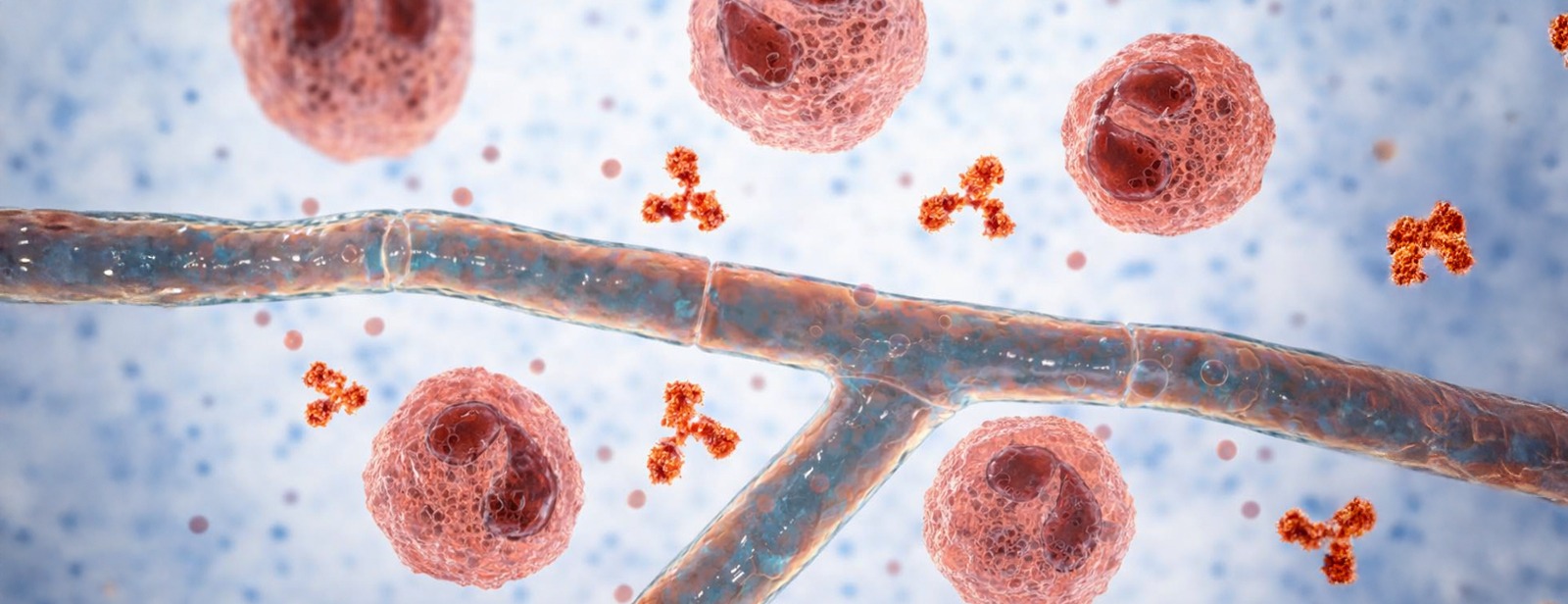
A rare blood disorder is any medical condition that prevents blood or its components — red blood cells (RBCs), white blood cells (WBCs), or platelets — from functioning correctly. Blood disorders can affect:
-
Red blood cells (RBCs) — responsible for carrying oxygen throughout the body
-
White blood cells (WBCs) — the key players in fighting infections and diseases
-
Platelets — tiny cells that help blood clot and prevent excessive bleeding
-
Plasma — the liquid component of blood carrying proteins, nutrients, and clotting factors
Because blood touches every system in the body, disorders affecting it can have wide-ranging consequences — from fatigue and organ damage to life-threatening complications like stroke or internal bleeding.
Types of Rare Blood Disorders
There are hundreds of rare blood disorders, but they can broadly be grouped into the following categories:
1. Rare Bleeding Disorders
These conditions occur when blood fails to clot properly, causing prolonged or excessive bleeding.
-
Haemophilia A & B — Caused by deficiencies in clotting factors VIII and IX, respectively, haemophilia leads to prolonged bleeding after injury. It predominantly affects males.
-
Von Willebrand Disease (vWD) — The most common inherited bleeding disorder, caused by a deficiency or dysfunction of von Willebrand factor, a protein essential for clotting.
-
Deficiency — A rare condition where the blood lacks adequate fibrinogen, a protein critical to clot formation.
-
Factor VII Deficiency — The most common autosomal recessive coagulation disorder, with a prevalence of roughly 1 in 500,000 people.
2. Rare Blood Clotting (Thrombotic) Disorders
On the opposite end of the spectrum, some rare disorders cause the blood to clot too easily, raising the risk of dangerous blockages.
-
Antiphospholipid Syndrome (APS) — An autoimmune disorder that triggers abnormal blood clotting in veins and arteries, often associated with lupus.
-
Paroxysmal Nocturnal Hemoglobinuria (PNH) — A rare disorder where the immune system destroys red blood cells, significantly increasing clotting risk.
-
Protein C & Protein S Deficiency — Natural anticoagulant proteins that, when deficient, elevate the risk of deep vein thrombosis (DVT) and pulmonary embolism.
-
Antithrombin Deficiency — An inherited condition that increases the likelihood of blood clots forming in veins.
3. Myeloproliferative Disorders
These occur when the bone marrow produces too many blood cells of certain types.
-
Polycythemia Vera (PV) — A slow-growing blood cancer where the bone marrow makes too many red blood cells, thickening the blood and raising stroke risk.
-
Essential Thrombocythemia (ET) — Characterized by overproduction of platelets, which paradoxically can cause both clotting and bleeding.
-
Primary Myelofibrosis — Scar tissue replaces healthy bone marrow, impairing normal blood cell production.
4. Rare Red Blood Cell Disorders
-
Sickle Cell Disease — A genetic disorder where red blood cells assume an abnormal sickle shape, causing blockages in blood vessels and severe pain episodes.
-
Aplastic Anaemia — A serious condition where the body stops producing enough new blood cells due to bone marrow failure.
-
Diamond-Blackfan Anaemia (DBA) — A rare inherited disorder in which the bone marrow fails to produce sufficient red blood cells.
5. Lymphoproliferative & Histiocytic Disorders.
-
Castleman Disease — A rare group of disorders involving lymph node enlargement, ranging from localised (unicentric) to widespread (multicentric) forms.
-
Histiocytosis — A group of disorders involving the overproduction of histiocytes (a type of white blood cell), which can damage organs over time.
-
Gaucher Disease — A lysosomal storage disorder where a specific enzyme is missing, causing harmful substances to accumulate in the spleen, liver, and bones.
Causes and Risk Factors
When Should You See a Spine Specialist?
Understanding the root cause of a rare blood disorder is essential for targeted treatment. Most rare blood disorders stem from the following:
-
Genetic mutations — Most rare blood disorders result from inherited or spontaneous changes in genes. These mutations disrupt the instructions given to blood cells, preventing them from functioning correctly.
-
Inherited gene mutations — Conditions like hemophilia and sickle cell disease are passed from parent to child via abnormal genes.
-
Autoimmune responses — In some disorders, such as APS and ITP (Immune Thrombocytopenic Purpura), the immune system mistakenly attacks healthy blood cells or clotting proteins.
-
Bone marrow dysfunction — When stem cells in the bone marrow are damaged or diseased, they cannot produce healthy blood cells in the right quantities.
-
Environmental and lifestyle triggers — Exposure to toxic chemicals, radiation, or certain medications can increase the risk of developing blood disorders.
-
Infections — Certain viral infections can trigger or worsen rare blood conditions, including immune-mediated forms of thrombocytopenia.
-
Previous chemotherapy — Cancer treatment can suppress bone marrow activity and trigger secondary blood disorders.
Signs and Symptoms of Rare Blood Disorders
Symptoms can vary significantly depending on the type and severity of the disorder. However, several warning signs are common across many rare blood conditions. It is important to consult a healthcare provider if you notice any of the following:
Bleeding-Related Symptoms:
-
Abnormal bruising or bruising with no apparent cause
-
Prolonged bleeding from small cuts, dental procedures, or nosebleeds
-
Heavy or irregular menstrual bleeding in women
-
Blood in urine (hematuria) or stool
Anemia-Related Symptoms:
-
Persistent fatigue and weakness
-
Pale or yellowish skin (jaundice)
-
Shortness of breath, even with mild exertion
-
Rapid or irregular heartbeat
Clotting and Circulation Symptoms:
-
Unexplained swelling, redness, or pain in the legs (possible DVT)
-
Chest pain and difficulty breathing (possible pulmonary embolism — seek emergency care)
-
Frequent headaches, dizziness, or blurred vision
-
A feeling of fullness or pain in the upper left abdomen (enlarged spleen)
General Symptoms:
-
Unexplained weight loss
-
Recurrent infections or slow-healing wounds
-
Swollen lymph nodes
-
Night sweats and fever
Importantly, many rare blood disorders present with overlapping symptoms and are frequently misdiagnosed initially. As a result, patients often spend years searching for answers — making early awareness and specialist referral absolutely critical.
How Are Rare Blood Disorders Diagnosed?
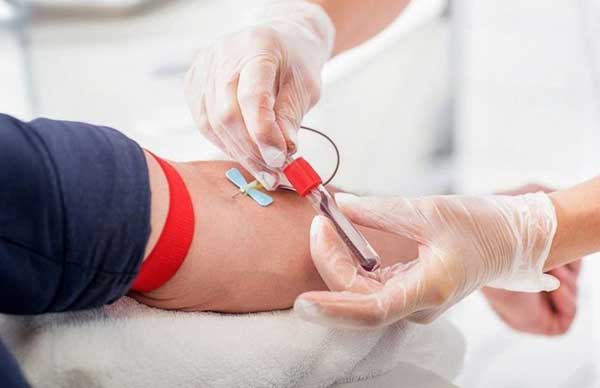
Diagnosing a rare blood disorder requires a systematic and thorough approach. The diagnostic journey typically begins with a detailed medical and family history, followed by a physical examination and specialized laboratory testing.
Key Diagnostic Tests Include:
-
Complete Blood Count (CBC) — The first-line test that measures RBCs, WBCs, and platelet counts. Abnormal values often point toward a blood disorder.
-
Blood Chemistry & Coagulation Tests — Evaluate clotting factor levels, clotting time, and protein levels such as fibrinogen.
-
Peripheral Blood Smear — A microscopic examination of blood cells to detect abnormalities in shape, size, and structure.
-
Bone Marrow Biopsy — A small sample of bone marrow tissue is examined to assess the production and maturation of blood cells, especially useful in aplastic anemia and myeloproliferative disorders.
-
Genetic & Molecular Testing — Identifies specific gene mutations responsible for inherited disorders such as hemophilia, sickle cell disease, or PNH.
-
Flow Cytometry — A specialized test used to detect specific proteins on the surface of blood cells, critical for diagnosing PNH and certain lymphoproliferative disorders.
-
Imaging Studies — CT scans or ultrasounds may be used to detect enlarged lymph nodes or spleen, especially in Castleman disease or histiocytosis.
Diagnosis is often a collaborative effort between hematologists, pathologists, geneticists, and other specialists. Early and accurate diagnosis is essential, as it directly influences the treatment approach and long-term outcome.
Treatment Options for Rare Blood Disorders
While not all rare blood disorders are curable, most are manageable with the right medical care. Treatment is highly individualized, depending on the specific condition, its severity, and the patient's overall health. The main treatment approaches include:
- Clotting Factor Replacement Therapy — Used for hemophilia patients to replace missing clotting factors through regular infusions.
- Anticoagulants (Blood Thinners) — Used in clotting disorders such as APS and antithrombin deficiency to prevent dangerous blood clots from forming.
- Targeted Drug Therapy — Biologic drugs that block specific molecular pathways, commonly used in myeloproliferative disorders and multicentric Castleman disease.
- Enzyme Replacement Therapy (ERT) — A cornerstone treatment for lysosomal storage disorders like Gaucher disease, where synthetic enzymes are administered to restore normal cell function.
- Blood Transfusions — Provide temporary relief for severe anemia by supplying healthy red blood cells from donors.
- Bone Marrow (Stem Cell) Transplant — A potentially curative option for conditions like aplastic anemia, sickle cell disease, and certain myeloproliferative disorders. Healthy donor stem cells replace diseased ones, enabling normal blood cell production.
- Phlebotomy — Regular removal of blood is the primary treatment for polycythemia vera to reduce the number of red blood cells and lower clotting risk.
- Corticosteroids & IVIG — Commonly used in immune thrombocytopenia (ITP) to suppress immune destruction of platelets.
- Gene Therapy (Emerging) — Groundbreaking advances in gene therapy are showing remarkable promise for conditions like sickle cell disease and hemophilia, potentially offering long-term or even permanent solutions.
Prevention: Is It Possible?
Since the majority of rare blood disorders are caused by genetic mutations, complete prevention is often not possible. However, there are meaningful steps individuals and families can take to reduce risk and enable early intervention:
-
Genetic counseling and testing — Couples with a family history of blood disorders should consider genetic counseling before pregnancy. Carrier testing can identify the risk of passing conditions like hemophilia or sickle cell disease to children.
-
Prenatal screening — Early screening during pregnancy can detect certain inherited blood disorders, allowing for timely medical planning.
-
Newborn screening programs — Many developed countries include blood disorder screening as part of routine newborn testing, enabling early detection and treatment.
-
Avoiding known triggers — For acquired blood disorders, minimizing exposure to toxic chemicals, certain medications, and radiation can reduce risk.
-
Regular health checkups — Routine blood tests can help detect early signs of blood disorders, even before symptoms appear.
-
Vaccination and infection control — In disorders influenced by infections, staying up to date with vaccinations and managing chronic conditions like HIV can reduce secondary blood disorder risk.
-
Healthy lifestyle habits — Maintaining a balanced diet rich in iron, folate, and vitamin B12 supports healthy blood cell production and may reduce anemia risk.
Conclusion: Awareness Is the First Step to Better Care
Rare blood disorders may be uncommon individually, but their collective burden on millions of patients and families worldwide is undeniable. From rare bleeding conditions like hemophilia to complex myeloproliferative disorders like polycythemia vera, these conditions demand specialized knowledge, timely diagnosis, and compassionate, individualized care.
The good news is that medical science is progressing rapidly. Advances in gene therapy, targeted biologics, and personalized medicine are transforming the outlook for patients living with rare blood disorders — many of whom have had limited options for decades.
If you or a loved one is experiencing unexplained bleeding, persistent fatigue, unusual bruising, or other concerning symptoms described in this guide, do not wait. Consult a hematologist or a specialist in rare blood diseases. Early diagnosis truly saves lives.
Rare doesn't mean invisible. With the right awareness, the right diagnosis, and the right care — every patient deserves to be seen, heard, and treated.