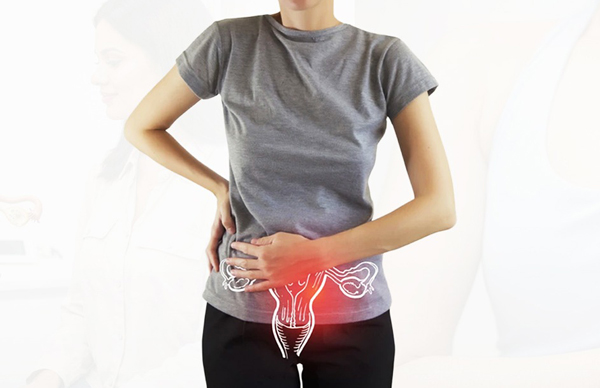
Monsoon Health Guide: Common Illnesses and How to Stay Protected
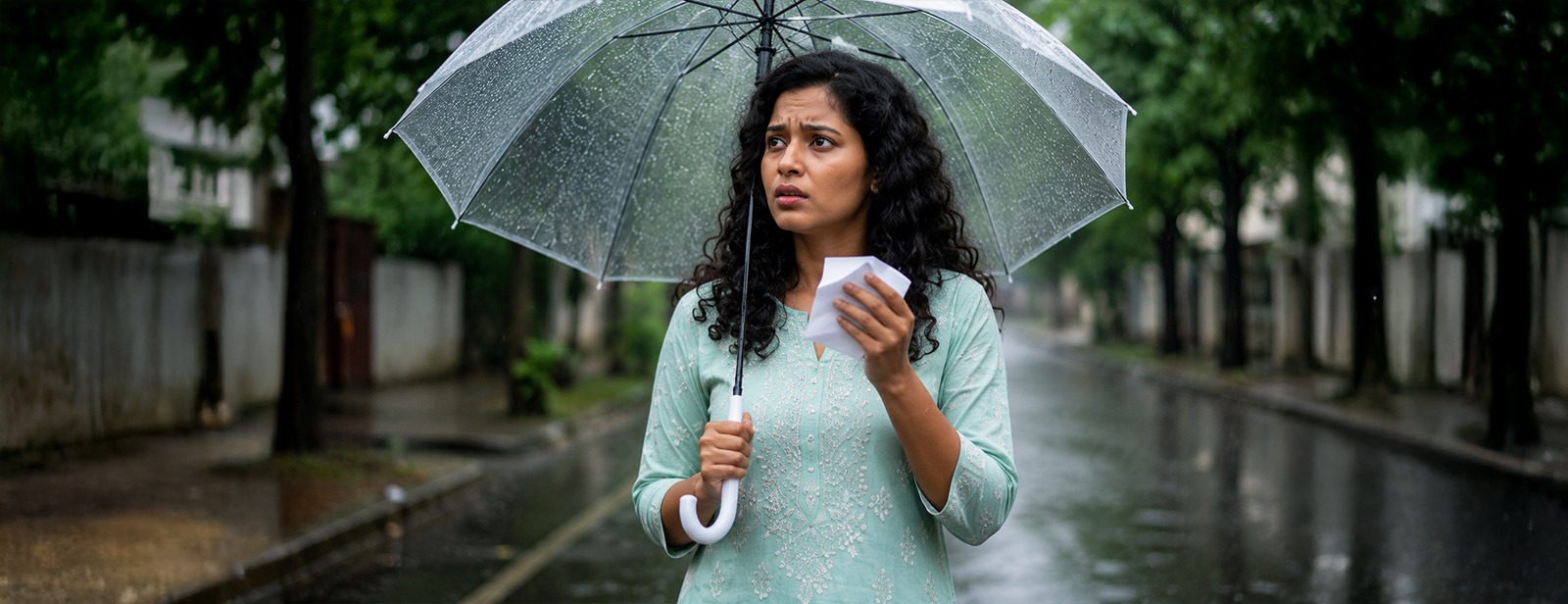
The arrival of the monsoon is a welcome change after months of scorching summer heat. The cool breeze, refreshing rain, and lush greenery make this season one of the most enjoyable times of the year. However, the monsoon also brings an increased risk of infections and seasonal illnesses. Stagnant water, high humidity, contaminated food and water, and the rapid growth of bacteria, viruses, and mosquitoes create the perfect conditions for diseases to spread.
While many monsoon-related illnesses are preventable, they can become serious if ignored or left untreated. Understanding the common health risks, recognising early symptoms, and following preventive measures can help you and your family stay healthy throughout the rainy season.
Why Do Illnesses Increase During the Monsoon?
The rainy season creates an environment where disease-causing organisms thrive. Waterlogging becomes a breeding ground for mosquitoes, while increased moisture encourages the growth of bacteria and fungi. Drinking contaminated water or consuming unhygienic food can also lead to infections.
Children, older adults, pregnant women, and individuals with weakened immune systems are particularly vulnerable to seasonal illnesses. Therefore, maintaining hygiene and taking preventive measures becomes even more important during this time.
Common Monsoon Illnesses
1. Dengue Fever
Dengue is one of the most common mosquito-borne illnesses during the monsoon. It is transmitted by the Aedes mosquito, which breeds in clean, stagnant water found in flower pots, coolers, buckets, tyres, and containers.
Common Symptoms
- High fever
- Severe headache
- Pain behind the eyes
- Muscle and joint pain
- Skin rash
- Nausea and vomiting
- Fatigue
- Low platelet count in severe cases
Prevention Tips
- Remove stagnant water around your home.
- Cover water storage containers.
- Wear full-sleeved clothing.
- Apply mosquito repellent.
- Install mosquito screens on windows and doors.
Seek immediate medical attention if you experience persistent high fever or warning signs such as severe abdominal pain, bleeding gums, or difficulty breathing.
2. Malaria
Malaria is another mosquito-borne disease caused by parasites transmitted through infected Anopheles mosquitoes. Unlike dengue mosquitoes, Anopheles mosquitoes usually bite between dusk and dawn.
Symptoms
- Fever with chills
- Sweating
- Headache
- Body pain
- Weakness
- Nausea and vomiting
Prevention
- Sleep under mosquito nets if necessary.
- Use mosquito repellents regularly.
- Keep surroundings clean.
- Prevent water accumulation around the house.
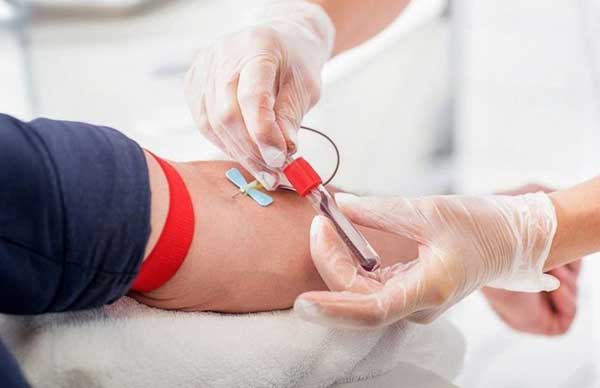
Early diagnosis through blood tests and prompt treatment are essential for complete recovery.
3. Viral Fever
Monsoon weather often leads to viral infections due to sudden temperature changes and increased exposure to viruses.
Symptoms
- Fever
- Sore throat
- Cough
- Runny nose
- Body ache
- Fatigue
Although viral fevers generally recover within a few days, adequate hydration, proper rest, and medical consultation are recommended if symptoms persist or worsen.
4. Typhoid
Typhoid is a bacterial infection spread through contaminated food and water. Poor sanitation during the rainy season increases the risk of infection.
Symptoms
- High fever
- Weakness
- Abdominal pain
- Headache
- Loss of appetite
- Constipation or diarrhoea
Prevention
- Drink only purified or boiled water.
- Wash fruits and vegetables thoroughly.
- Avoid food from unhygienic places.
- Wash hands before eating.
Early diagnosis and antibiotic treatment can effectively manage typhoid.
5. Gastrointestinal Infections
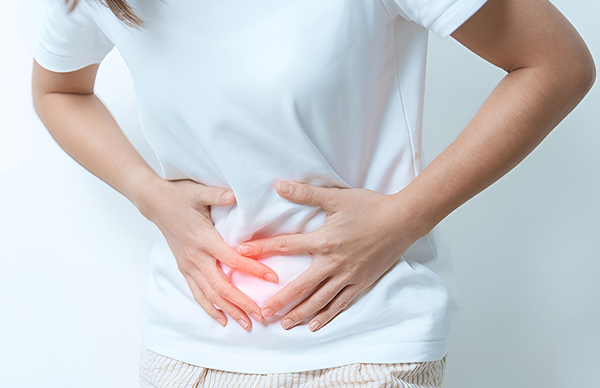
Digestive illnesses become increasingly common during the rainy season because food and water are more likely to become contaminated.
Common conditions include:
- Food poisoning
- Diarrhoea
- Gastroenteritis
- Cholera (in affected regions)
Symptoms
- Vomiting
- Loose stools
- Stomach cramps
- Fever
- Dehydration
Prevention
- Eat freshly cooked meals.
- Avoid raw or undercooked food.
- Drink safe drinking water.
- Maintain proper kitchen hygiene.
Children and elderly individuals are particularly vulnerable to dehydration caused by diarrhoea and should receive prompt medical attention if symptoms persist.
6. Leptospirosis
Leptospirosis is a bacterial disease spread through water contaminated with animal urine. Walking through flooded streets with cuts or open wounds increases the risk of infection.
Symptoms
- Fever
- Muscle pain
- Headache
- Vomiting
- Red eyes
- Jaundice in severe cases
Prevention
- Avoid walking through floodwater whenever possible.
- Wear waterproof footwear.
- Clean wounds immediately after exposure to dirty water.
- Seek medical advice if symptoms appear after flood exposure.
7. Fungal Skin Infections
The humid weather during the monsoon creates ideal conditions for fungal infections.
Common infections include:
- Ringworm
- Athlete's foot
- Skin rashes
- Nail infections
Prevention
- Keep skin dry.
- Wear breathable cotton clothes.
- Change wet clothes immediately.
- Avoid sharing towels or personal items.
Maintaining personal hygiene significantly reduces the risk of fungal infections.
Essential Monsoon Health Tips
1. Drink Safe Water
Contaminated water is one of the biggest causes of monsoon illnesses.
Always:
- Drink boiled or filtered water.
- Store drinking water in covered containers.
- Avoid consuming untreated water.
2. Eat Hygienic Food
Food safety becomes extremely important during the rainy season.
Choose:
- Freshly cooked meals
- Seasonal fruits
- Home-cooked food
Avoid:
- Cut fruits sold in the open
- Uncovered street food
- Stale leftovers
- Raw seafood
3. Maintain Personal Hygiene
Simple hygiene practices can prevent many infections.
Remember to:
- Wash hands frequently with soap.
- Keep nails trimmed.
- Bathe regularly.
- Wear clean clothes.
- Sanitise frequently touched surfaces.
4. Prevent Mosquito Breeding
Mosquito control is one of the most effective ways to prevent dengue and malaria.
Check your home regularly for:
- Flower pots
- Air cooler trays
- Buckets
- Roof gutters
- Discarded tyres
- Water storage tanks
Empty or clean these areas every week.
5. Boost Your Immunity
A strong immune system helps your body fight infections more effectively.
Include in your diet:
- Citrus fruits
- Green leafy vegetables
- Nuts and seeds
- Protein-rich foods
- Yogurt
- Whole grains
Stay hydrated by drinking enough water throughout the day.
6. Exercise Regularly
Even if outdoor activities become difficult during heavy rains, staying physically active remains important.
You can:
- Practice yoga
- Walk indoors
- Perform home workouts
- Stretch regularly
Regular exercise improves immunity and overall well-being.
7. Get Adequate Sleep
Quality sleep supports immune function and helps the body recover from stress.
Adults should aim for 7–9 hours of sleep each night.
Special Care for Children During Monsoon
Children are more prone to seasonal infections because of their developing immune systems.
Parents should:
- Ensure regular handwashing.
- Keep children's vaccinations up to date.
- Avoid letting children play in stagnant water.
- Pack clean drinking water for school.
- Provide nutritious meals.
- Seek medical care if fever persists.
Warning Signs You Should Never Ignore
Although many seasonal illnesses begin with mild symptoms, certain warning signs require immediate medical attention.
Consult a healthcare professional if you experience:
- High fever lasting more than two days
- Severe body pain
- Persistent vomiting
- Difficulty breathing
- Bleeding gums or nose
- Severe dehydration
- Confusion or extreme weakness
- Blood in stools
- Reduced urine output
Early diagnosis often prevents serious complications and shortens recovery time.
Conclusion
The monsoon season should be a time to enjoy refreshing weather—not to battle preventable illnesses. By practising good hygiene, eating safe food, drinking clean water, preventing mosquito breeding, and recognising early symptoms, you can significantly reduce the risk of seasonal infections.
Regular health check-ups, timely medical consultation, and avoiding self-medication are equally important. If you or a loved one develops persistent fever, severe weakness, dehydration, or any unusual symptoms, do not delay seeking professional medical care.
At Neotia Getwel Multispecialty Hospital, our expert doctors and advanced facilities are here to provide timely diagnosis and comprehensive care for monsoon-related illnesses. If symptoms persist, don't delay—seek expert medical attention and stay protected this season.