Mental Health Awareness Month: The Silent Impact of Chronic Stress on Your Mind and Body

Stress is often perceived as a temporary condition—one that subsides once deadlines are met or circumstances improve. However, when stress persists and becomes a constant aspect of daily life, it evolves into chronic stress, a far more serious condition that can significantly impact both physical and mental well-being over time.
In India, this growing concern is supported by concerning data. A substantial treatment gap exists, with over 80% of individuals experiencing mental health issues not receiving timely or adequate care. This gap is largely attributed to persistent stigma, limited awareness, and barriers to accessing mental health services.
This year’s theme of Mental Health Awareness Month, “More Good Days - Together,” is a gentle yet powerful reminder that better mental well-being is built through connection, support, and shared effort—encouraging open conversations, reducing stigma, and helping one another create more good days, together.
What Is Chronic Stress?
Chronic stress occurs when your body remains in a prolonged state of alertness. Normally, when you encounter a stressful situation, your body activates the “fight or flight” response. Hormones like cortisol and adrenaline are released, increasing heart rate, sharpening focus, and preparing you to deal with the challenge.
Once the situation passes, the body is supposed to return to a relaxed state. However, in chronic stress, this response stays switched on. The body continues to release stress hormones, even when there is no immediate threat.
Over time, this constant activation begins to disrupt normal bodily functions, leading to both physical and mental health issues.
The Role of Cortisol: The Stress Hormone
Cortisol plays a central role in how the body responds to stress. In small amounts, it helps regulate metabolism, control blood sugar levels, and reduce inflammation. But when cortisol levels remain elevated for long periods, it can have harmful effects.
High cortisol levels can:
- Increase blood pressure
- Disrupt sleep patterns
- Affect digestion
- Weaken the immune system
- Contribute to weight gain, especially around the abdomen
This is why chronic stress is often referred to as a “silent disruptor.” You may not immediately notice the damage, but it steadily impacts multiple systems in your body.
How Chronic Stress Affects Your Body
1. Heart Health
Chronic stress places continuous strain on the cardiovascular system. Persistently elevated heart rate and blood pressure can, over time, raise the risk of conditions such as heart disease, hypertension, and even stroke.
In addition, individuals experiencing long-term stress often turn to unhealthy coping habits like smoking, overeating, or physical inactivity, which further amplify the risk to heart health.
2. Brain and Mental Health
Stress doesn’t just affect your body—it significantly impacts your brain. High levels of cortisol can interfere with memory, concentration, and decision-making.
Chronic stress is also strongly linked to:
- Anxiety disorders
- Depression
- Mood swings
- Irritability
Over time, it can even shrink areas of the brain responsible for memory and emotional regulation.
3. Sleep Disruption
If you’ve ever struggled to fall asleep while feeling stressed, you’re not alone. Chronic stress keeps your mind active and alert, making it difficult to relax.
Poor sleep then creates a vicious cycle—lack of rest increases stress levels, and increased stress further disrupts sleep. This ongoing loop can lead to fatigue, low energy, and reduced productivity.
4. Digestive Issues
Your gut is highly sensitive to stress. Chronic stress can slow down or speed up digestion, leading to problems such as:
- Bloating
- Acidity
- Irritable Bowel Syndrome (IBS)
- Loss of appetite or overeating
There is also a strong connection between the brain and the gut, often referred to as the “gut-brain axis.” This means emotional stress can directly influence digestive health.
5. Immune System Weakening
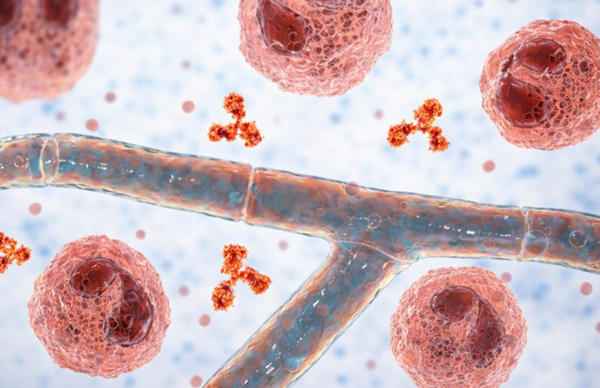
One of the most overlooked effects of chronic stress is its impact on immunity. When stress hormones remain elevated, they suppress the immune response.
This makes your body more vulnerable to infections, slows down healing, and can even increase inflammation, which is linked to various chronic diseases.
6. Hormonal Imbalance
Chronic stress can disrupt the balance of hormones in the body. This can lead to irregular menstrual cycles, low libido, fatigue, and changes in metabolism.
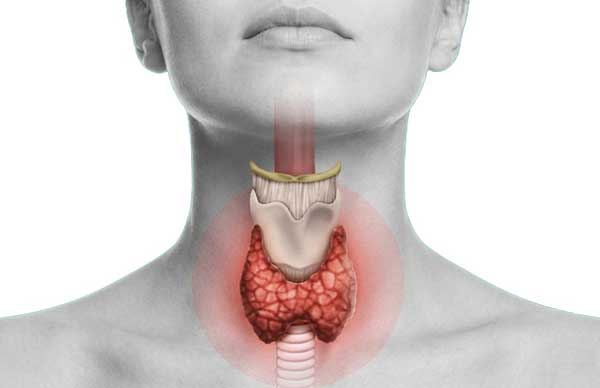
Hormonal imbalance caused by stress can also contribute to conditions like thyroid dysfunction and metabolic disorders.
Subtle Signs You Might Be Experiencing
Chronic stress doesn’t always appear dramatically. In many cases, it shows up through small, persistent changes that are easy to ignore.
Some common signs include:
- Constant fatigue, even after rest
- Frequent headaches or body aches
- Difficulty concentrating
- Irritability or mood swings
- Changes in appetite
- Trouble sleeping
- Feeling overwhelmed most of the time
Recognising these signs early is important, as it allows you to take action before stress begins to significantly affect your health.
Why Chronic Stress Often Goes Unnoticed
One of the biggest challenges with chronic stress is that it becomes normalised. When you are constantly busy or under pressure, feeling stressed can start to seem like the default state.
Many people dismiss symptoms as “just part of life,” not realizing the long-term impact it can have. Additionally, because the effects build gradually, it’s harder to connect them directly to stress.
Left unaddressed, this ongoing strain can impact multiple aspects of health, including mental clarity, immunity, and overall quality of life. This is why awareness plays such a crucial role—understanding stress is the first step toward managing it. When you begin to recognize the signs and acknowledge their impact, you are better equipped to make mindful changes, seek support when needed, and take proactive steps toward a healthier, more balanced life.
Managing Chronic Stress: Practical Steps
While it may not be possible to eliminate stress entirely, you can take steps to reduce its impact and build resilience.
1. Prioritise Sleep
Aim for 7–8 hours of quality sleep each night. Create a consistent bedtime routine and reduce screen time before sleeping to help your mind unwind.
2. Stay Physically Active
Exercise is one of the most effective ways to reduce stress. Even a short daily walk can help lower cortisol levels and improve mood.
3. Practice Mindfulness
Techniques such as meditation, deep breathing, and yoga can help calm the nervous system and bring your body out of the stress response.
4. Maintain a Balanced Diet
What you eat plays a significant role in how your body handles stress. Include whole foods, fruits, vegetables, and adequate hydration to support overall health.
5. Stay Connected
Talking to friends, family, or a professional can help you process stress and feel supported. Social connection is a powerful buffer against stress.
When to Seek Help
If stress begins to interfere with your daily life, relationships, or overall well-being, it’s important to seek professional support. Therapists, counselors, and healthcare providers can offer guidance and tools to manage stress effectively.
At Neotia Getwel Multispecialty Hospital, Siliguri, expert care and compassionate support are always within reach to help you navigate your mental health journey.
There is no shame in asking for help. In fact, recognising when you need support is a strong and important step toward better health.
Conclusion
Chronic stress may go unnoticed, but its impact is widespread. From the heart and brain to the gut and immune system, prolonged stress affects nearly every part of the body.
Mental Health Awareness Month is a timely reminder to slow down, reflect, and take charge of your well-being. Understanding how chronic stress influences your health empowers you to make better, more mindful choices.
Even small, consistent changes in your daily routine can lead to meaningful improvements over time. When it comes to stress, awareness isn’t just the first step—it’s the foundation of better health.
At Neotia Getwel Multispecialty Hospital, we are committed to supporting your journey towards a healthier, stress-free life.