Is Your Thyroid Silently Sabotaging Your Health? A Complete Guide

January marks Thyroid Awareness Month, a time dedicated to educating people about thyroid disorders that affect millions worldwide. The thyroid gland, though small, plays a crucial role in regulating your body's metabolism, energy levels, and overall health. Understanding thyroid function, recognizing symptoms early, and seeking timely medical intervention can significantly improve quality of life.
What is the Thyroid Gland?
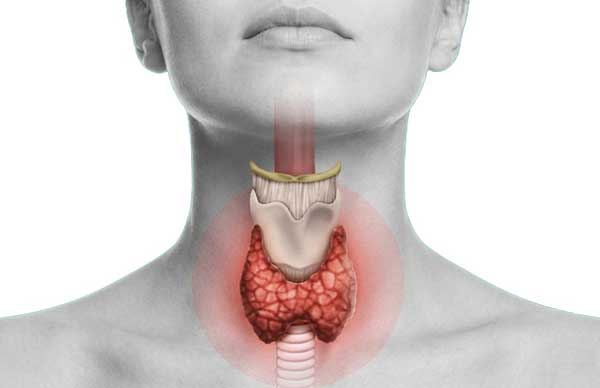
The thyroid is a butterfly-shaped gland located at the base of your neck, just below the Adam's apple. Despite weighing only about 20 grams, this powerful gland produces hormones that control how your body uses energy. The two primary thyroid hormones—T3 (triiodothyronine) and T4 (thyroxine)—influence nearly every cell, tissue, and organ in your body, affecting heart rate, body temperature, metabolism, and even mood.
Common Thyroid Disorders
Hypothyroidism (Underactive Thyroid)
Hypothyroidism occurs when your thyroid doesn't produce enough hormones. This condition affects approximately 5% of the general population and is more common in women and older adults.
Hyperthyroidism (Overactive Thyroid)
Hyperthyroidism happens when the thyroid produces excessive hormones, speeding up your body's metabolism. Graves' disease is the most common cause of hyperthyroidism.
Thyroid Nodules
These are lumps or growths within the thyroid gland. While most nodules are benign, some can be cancerous or cause hormonal imbalances.
Thyroid Cancer
Though relatively rare, thyroid cancer rates have been increasing. The good news is that most thyroid cancers are highly treatable when detected early.
Goitre
A goitre is an abnormal enlargement of the thyroid gland, which can occur with both hypothyroidism and hyperthyroidism.
Causes of Thyroid Problems
Understanding what triggers thyroid disorders can help in prevention and early detection:
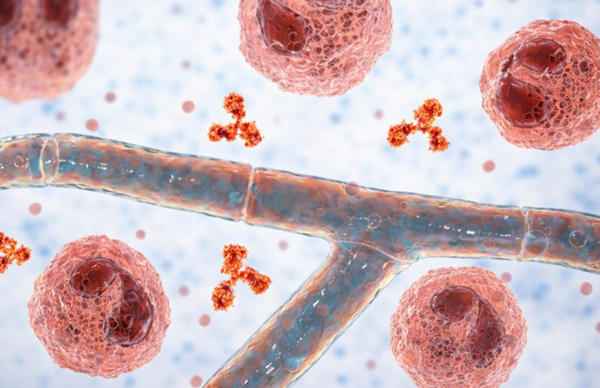
Autoimmune Diseases: Hashimoto's thyroiditis (causing hypothyroidism) and Graves' disease (causing hyperthyroidism) occur when your immune system mistakenly attacks the thyroid gland.
Iodine Imbalance: Both iodine deficiency and excess can disrupt thyroid function. Iodine is essential for thyroid hormone production.
Thyroid Surgery or Radiation: Treatment for thyroid nodules or cancer may affect thyroid function.
Medications: Certain drugs, including lithium and some heart medications, can interfere with thyroid hormone production.
Pregnancy: Some women develop thyroid problems during or after pregnancy, a condition called postpartum thyroiditis.
Genetic Factors: Family history of thyroid disease increases your risk of developing similar conditions.
Age and Gender: Women are 5 to 8 times more likely to have thyroid problems than men, with risk increasing after age 60.
Recognizing Thyroid Symptoms
Thyroid disorders often develop gradually, making symptoms easy to overlook. Being aware of these warning signs is crucial for early diagnosis.
Hypothyroidism Symptoms:
- Persistent fatigue and weakness
- Unexplained weight gain
- Cold intolerance
- Dry skin and hair loss
- Constipation
- Depression and memory problems
- Slowed heart rate
- Heavy or irregular menstrual periods
- Muscle aches and joint pain
- Puffy face
Hyperthyroidism Symptoms:
- Unintentional weight loss despite increased appetite
- Rapid or irregular heartbeat
- Nervousness, anxiety, and irritability
- Tremors in hands and fingers
- Excessive sweating and heat intolerance
- Frequent bowel movements
- Sleep disturbances
- Thinning skin and brittle hair
- Muscle weakness
- Changes in menstrual patterns
If you experience multiple symptoms persistently, consult a healthcare provider for proper evaluation.
Diagnosis: How Thyroid Problems Are Detected
Early and accurate diagnosis is essential for effective thyroid management. Healthcare providers use several methods to assess thyroid function:
Blood Tests
TSH (Thyroid Stimulating Hormone) Test: This is the most common screening test. Elevated TSH levels typically indicate hypothyroidism, while low levels suggest hyperthyroidism.
T3 and T4 Tests: These measure the actual thyroid hormone levels in your blood.
Thyroid Antibody Tests: These detect autoimmune thyroid conditions like Hashimoto's or Graves' disease.
Imaging Tests
Thyroid Ultrasound: Uses sound waves to create images of the thyroid, helping identify nodules or structural abnormalities.
Radioactive Iodine Uptake Test: Measures how much iodine the thyroid absorbs, helping determine the cause of hyperthyroidism.
Thyroid Scan: Provides detailed images showing thyroid function and identifying problem areas.
Physical Examination
Your doctor will examine your neck for thyroid enlargement, nodules, or tenderness. They'll also check for physical signs like changes in heart rate, reflexes, and skin condition.
Treatment Options
Treatment varies depending on the specific thyroid condition, its severity, and individual patient factors.
For Hypothyroidism:
Hormone Replacement Therapy: Levothyroxine is the standard treatment, replacing the hormone your thyroid isn't producing. Most patients require lifelong treatment with regular monitoring to adjust dosage.
For Hyperthyroidism:
Anti-thyroid Medications: Drugs like Methimazole reduce thyroid hormone production.
Radioactive Iodine Therapy: This treatment gradually destroys thyroid cells that produce excess hormones.
Beta-blockers: While not treating the thyroid directly, these medications help manage symptoms like rapid heartbeat and tremors.
Surgery (Thyroidectomy): Partial or complete removal of the thyroid gland may be necessary in severe cases.
For Thyroid Nodules and Cancer:
Treatment ranges from watchful waiting for benign nodules to surgery, radioactive iodine, and targeted therapies for cancer.
Prevention and Lifestyle Management
While not all thyroid disorders can be prevented, certain lifestyle choices support thyroid health:
Ensure Adequate Iodine Intake: Use iodized salt and consume iodine-rich foods like seafood, dairy, and eggs. However, avoid excessive iodine supplements without medical advice.
Maintain a Balanced Diet: Eat foods rich in selenium (Brazil nuts, fish), zinc (lean meat, legumes), and antioxidants (fruits and vegetables).
Manage Stress: Chronic stress can affect hormone balance. Practice stress-reduction techniques like yoga, meditation, or regular exercise.
Avoid Smoking: Smoking increases the risk of thyroid eye disease and can worsen thyroid conditions.
Regular Health Check-ups: If you have a family history of thyroid disease or experience symptoms, get regular thyroid function tests.
Limit Goitrogenic Foods: While healthy in moderation, excessive consumption of raw cruciferous vegetables (cabbage, broccoli) may interfere with thyroid function in people with iodine deficiency.
Monitor Medication: If you're on thyroid medication, take it consistently at the same time daily, preferably on an empty stomach, and inform your doctor about any other medications or supplements.
Living with Thyroid Disease
A thyroid diagnosis isn't a life sentence—it's an opportunity to take control of your health. With proper treatment and monitoring, most people with thyroid disorders lead completely normal, active lives.
Regular follow-up appointments are essential to monitor hormone levels and adjust treatment as needed. Pregnancy, aging, and other health conditions can affect thyroid function, requiring dosage modifications.
This Month Take Action
Thyroid Awareness Month reminds us that small glands can have big impacts on health. Whether you're experiencing symptoms, have a family history of thyroid disease, or simply want to prioritize preventive care, now is the time to act.
Remember: Your thyroid health matters. Listen to your body, recognize the signs, and seek expert care when needed. Together, we can raise awareness and improve outcomes for millions living with thyroid disorders.