Endometriosis in India: What Every Woman Needs to Know About Causes, Symptoms & Treatment
Introduction: A Condition Too Many Women Are Told to Simply Live With
For millions of women in India, painful periods are not a complaint — they are a way of life. Cramps that make it impossible to get out of bed, pain that disrupts work, school, and relationships, and a quiet resignation that this is simply what being a woman feels like. For many of them, the real cause has never been identified.
That cause, more often than not, is endometriosis.
According to ICMR-National Institute for Research in Reproductive and Child Health (ICMR-NIRRCH), approximately 42 million women in India are affected by endometriosis — making India home to one of the largest burdens of this disease in the world. The George Institute for Global Health further notes that India alone represents 25% of the global endometriosis burden. Yet diagnosis is routinely delayed by 7 to 10 years, often because symptoms are dismissed as "normal" menstrual pain.
Awareness is not just important — it is overdue. Understanding endometriosis can shorten the path to diagnosis, reduce suffering, and preserve fertility. This guide walks you through everything you need to know.
What Is Endometriosis?
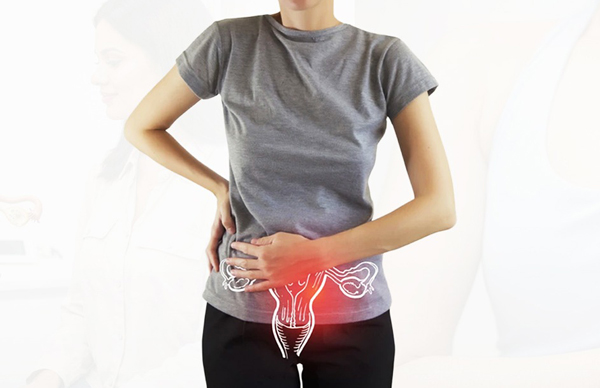
Endometriosis is a chronic gynaecological condition in which tissue similar to the lining of the uterus — called the endometrium — grows outside the uterus, in places it does not belong. This tissue most commonly appears on the ovaries, fallopian tubes, the outer surface of the uterus, and the pelvic lining. In severe cases, it can affect the bowel, bladder, and in rare instances, organs beyond the pelvis.
Every month, during a normal menstrual cycle, the uterine lining thickens, breaks down, and sheds as part of a menstrual period. Endometrial-like tissue outside the uterus responds to these same hormonal signals — but unlike normal menstrual blood, it has nowhere to go. It becomes trapped, causing inflammation, scarring, and the formation of adhesions (bands of fibrous tissue that cause organs to stick together). Over time, this leads to chronic pain, organ damage, and, in many women, difficulty conceiving.
Endometriosis is not an infection. It is not contagious. It is a complex, inflammatory, hormonal condition. While lifestyle factors may play a role in its development, they are not the sole cause, and it deserves to be taken seriously.
How Does Endometriosis Develop?
The exact cause of endometriosis remains unclear, despite decades of research. However, several well-supported theories explain how it develops:
- Retrograde Menstruation: The most widely accepted theory. During menstruation, some blood flows backwards through the fallopian tubes into the pelvic cavity instead of exiting the body. This blood carries endometrial cells that implant and grow on pelvic organs.
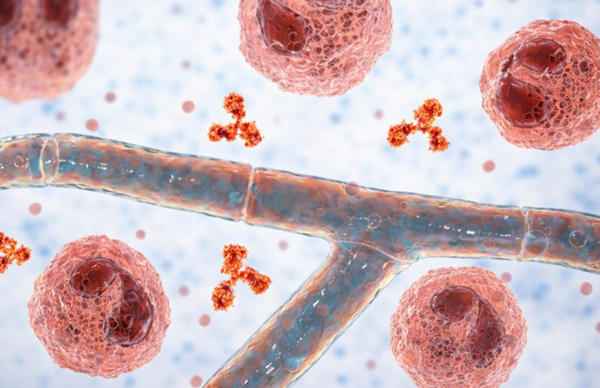
- Immune System Dysfunction: In most women, the immune system destroys misplaced endometrial tissue. In women with endometriosis, the immune response appears to fail at this task, allowing the tissue to survive and proliferate.
- Genetic Predisposition: Endometriosis runs in families. If your mother or sister has it, your risk is significantly higher, pointing to a strong hereditary component. .
- Hormonal Influence: Endometriosis is driven by oestrogen. Higher or prolonged oestrogen exposure — through early menstruation, late menopause, or hormonal imbalances — appears to fuel the growth of endometrial lesions.
- Coelomic Metaplasia: Certain cells lining the abdominal cavity may transform into endometrial-like cells under specific triggers, contributing to the development of endometriosis outside the uterus.
Causes and Risk Factors
While no single cause has been confirmed, certain factors increase a woman's risk of developing endometriosis:
- Family history: A first-degree relative (mother, sister) with endometriosis significantly raises your risk.
- Early menarche or late menopause: More menstrual cycles over a lifetime means longer oestrogen exposure and more opportunity for retrograde flow.
- Short menstrual cycles or heavy periods: Frequent, heavy periods increase the volume of retrograde flow.
- Never having given birth: Pregnancy temporarily suppresses menstruation and can offer some protective effect.
- Uterine abnormalities: Structural issues that obstruct normal menstrual flow can increase the risk of retrograde menstruation.
Symptoms of Endometriosis: Beyond "Bad Periods"
Endometriosis symptoms vary widely — some women experience debilitating pain, while others have no symptoms at all and discover the condition only when investigating infertility. The most common symptoms include:
- Dysmenorrhea (painful periods): Severe cramping before and during menstruation that worsens over time and does not respond well to standard pain relief.
- Chronic pelvic pain: Persistent pain in the lower abdomen or pelvis, often unrelated to the menstrual cycle, lasting six months or more.
- Dyspareunia (pain during intercourse): Deep pelvic pain during or after sex, particularly with certain positions.
- Painful bowel movements or urination: Especially during menstruation, caused by endometrial lesions on the bowel or bladder.
- Heavy or irregular periods: Unusually heavy menstrual flow, sometimes with clotting.
- Bloating and fatigue: Often dismissed as unrelated, these are consistent features of endometriosis due to chronic inflammation.
- Infertility: Endometriosis is found in 1 in 3 women with infertility and up to 70% of women with unexplained infertility, according to ICMR-NIRRCH research.
Treatment Options for Endometriosis
There is currently no permanent cure for endometriosis, but effective treatment can significantly reduce pain, slow disease progression, and improve fertility outcomes. Treatment is personalised based on the severity of symptoms, the woman's age, and whether she wishes to conceive.
- Hormonal Therapy: Hormonal contraceptives (pills, patches, hormonal IUDs) and GnRH agonists suppress oestrogen, preventing endometrial tissue from growing. These are effective for pain management but not a long-term cure.
- Pain Management: NSAIDs and other analgesics help manage day-to-day pain. They work best when used early in the menstrual cycle.
- Laparoscopic Surgery: A gynaecological surgeon removes endometrial lesions, adhesions, and cysts. This can significantly reduce pain and improve fertility. It is the most effective treatment for moderate to severe endometriosis.
- Fertility Treatment: For women with endometriosis-related infertility, IUI or IVF may be recommended depending on the extent of disease.
- Multidisciplinary Care: Severe endometriosis affecting the bowel or bladder may require a combined team of gynaecologists, colorectal surgeons, and urologists for comprehensive surgical management.
Can Endometriosis Be Prevented?
Endometriosis cannot be fully prevented, as genetic and hormonal factors play a significant role. However, certain steps may reduce risk or delay progression:
- Do not normalise severe period pain: Seek medical evaluation early. The sooner endometriosis is diagnosed, the easier it is to manage.
- Maintain a healthy weight: Excess body fat increases oestrogen levels, which can fuel endometrial tissue growth.
- Exercise regularly: Regular physical activity lowers oestrogen levels and reduces inflammation.
- Limit alcohol and caffeine: Both have been associated with higher oestrogen levels in some studies.
- Consider hormonal contraception: For women not planning pregnancy, hormonal contraceptives may slow the progression of endometriosis.
- Track your symptoms: Keep a detailed record of your menstrual cycle, pain levels, and symptoms to share with your gynaecologist.
Conclusion
Endometriosis is not a minor inconvenience. It is a chronic, complex condition that affects 42 million women in India — shaping their daily lives, their careers, their relationships, and their ability to have children. And yet, for far too long, it has been dismissed, misdiagnosed, or left unaddressed.
You deserve to be heard, accurately diagnosed, and properly treated. If you or someone you know is experiencing the symptoms described in this guide, do not wait for it to worsen.