Conquering Obesity: Strategies for Weight Management
According to NFHS-5 data, 23% of women and 22.1% of men are overweight as per the BMI criterion. The preliminary finding on the status of abdominal obesity reveals that 40% of women and 12% of men are abdominally obese in the country. Well, for many people it is just a health condition. However, it is not. Obesity can block the arteries and also can clog and damage the heart of the patient and can lead to heart attack. Not only heart attack but also obesity also increases the chances of diabetes high blood pressure, cardiovascular disease, stroke, and at least 13 types of cancer. So, it is important for every one of us to have a check on our body weight. In this blog, we will inform you about the deep facts about obesity. Connect with Neotia Getwel Multispecialty Hospital for the best medical assistance and 24*7 emergency care as well.
1. What is obesity?
First of all, we must say that everyone who looks “fat” is not obese at all. Whether a person is obese or not, can be defined by examining the BMI (Body Mass Index) only. Multiplying weight in pounds by 703 and dividing the result by height in inches twice will get the BMI or divide the weight in kilogrammes by the square of the height in metres. However, we would suggest you connect with a healthcare professional to measure it accurately.
A body mass index (BMI) over 25 is considered overweight, and over 30 is obese.
| BMI | Weight status |
|---|---|
| Below 18.5 | Underweight |
| 18.5-24.9 | Healthy |
| 25.0-29.9 | Overweight |
| 30.0 and higher | Obesity |
It is important to mention that obesity is not directly measured by body fat. Some people, such as muscular athletes, may have a BMI in the obesity category even though they don’t have excess body fat.
1.1. What are the causes of obesity?
There are various reasons for obesity such as
a. Inheritance: Genetics plays a pivotal role in obesity. It controls how efficiently your body converts food into energy, how your body regulates your appetite and how your body burns calories during exercise. So, if you have obesity in your genetics, you need to be more cautious.
b. Lifestyle choices: Unhealthy lifestyle choices are one of the leading reasons for obesity. A diet that’s high in calories, lacking in fruits and vegetables, full of fast food, and laden with high-calorie beverages and oversized portions contributes to weight gain. At the same time, alcohol and high-calorie beverages, such as sugared soft drinks, can contribute to weight gain.
c. Absence of physical activities: Even if you are eating healthy, you have to do some amount of physical activities such as walking or running. The amount of inactivity or the number of hours spent in front of a screen is highly associated with weight gain.
d. Certain diseases and medications: Certain medical conditions such as hypothyroidism, Cushing syndrome, Prader-Willi syndrome etc. can increase body weight. Medical problems, such as arthritis, also can lead to decreased activity, which may result in weight gain. So, in these cases, you need some expert advice.
e. Age & habits: Many times, due to the age factor the metabolism rate gets lower and contributes to obesity. On the other hand, many families have generational unhealthy eating habits. They use too much butter or oils for cooking which also contributes to weight gain. Additionally, habits like a lesser amount of sleep also cause weight gain.
f. Pregnancy: Weight gain is common during pregnancy. Some women find this weight difficult to lose after the baby is born. This weight gain may contribute to the development of obesity in women.
2. What are the strategic ways of managing weight?
Many times, people tend to follow a lifestyle to lose weight only. However, the target should be staying fit and having the right weight according to height and other factors. Here are some tips for that-
a. Pay attention to your diet: If you are on a weight loss journey, you should have foods like eggs, leafy greens, fish, fruits, chicken breast, some lean meats, soups etc. However, for the right diet, we would suggest you connect with a professional dietitian. On the other hand, if you have the right weight then you have to focus on a balanced diet which is one-quarter proteins, one-quarter carbohydrates and one-half vegetables.
b. Be active: To maintain a healthy body you have to work out at least thrice a week. You can do Yoga or Zumba as well. However, if you have a too tight schedule, you can just walk on a treadmill for 15 minutes every day. This will also help you in managing your fit body.
c. Hydration: When it comes to weight loss, water is severely underrated. Water not only acts as an appetite suppressant, but it can help increase your metabolism, detoxify the body, and help your body burn fat. It also keeps your body hydrated before, during, and after your workouts so that your body can run smoothly and you can avoid dehydration. Drinking more water during your weight loss journey and in everyday life is an important habit to develop.
d. Never compromise on your quality sleep: Not getting enough sleep can lead to weight gain. Your beauty sleep helps to regulate your hormones and will regulate your appetite. Additionally, the right amount of sleep increases your energy levels and will help you to stay active.
e. Say no to alcohol & cigarettes: Alcohol reduces your water intake and creates dehydration in the body which helps in weight gain. At the same time, most alcoholic beverages have sugars in them which also contributes to weight gain. Quitting alcohol and smoking will help you have healthy liver function, body and quick metabolism.
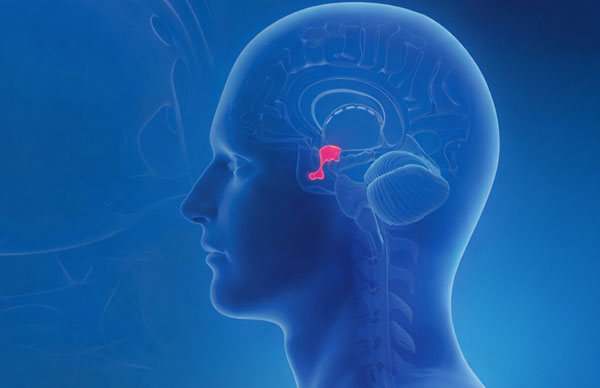
f. Keep an eye on the hormonal levels: Hormones control every act in our body. So, if there is any disruption in their levels, it will make a ruckus in the body. If there are any kind of changes in the level of hormones such as insulin, leptin, ghrelin, cortisol, estrogen, Neuropeptide Y, Glucagon-like peptide-1, cholecystokinin etc. can lead to weight gain. Diseases such as hypothyroidism, Cushing’s disease, hypogonadism, and growth hormone deficiency can also lead to obesity. So, have a check on that too. Connect with Neotia Getwel Multispecialty Hospital for a whole-body check-up and other medical guidance.
Final words: Obesity can be a life threat. It can lead to heart disease, diabetes and many more. So, it is important for everyone to connect with a medical professional to get the right advice on this.
Disclaimer
Though all attempts are made to provide correct information on the subject, inadvertent & typographical errors arising out of manual intervention cannot be ruled out. It is requested to bring any such discrepancies to the notice of the blogger for correction