5 Health Screenings Every Woman in India Should Get Before She Turns 40
Introduction: Why Women's Health in India Needs More Attention
Women are often the primary caregivers in Indian households — yet, ironically, they are the last to prioritise their own health. In a country where nearly 56% of women suffer from anaemia, where cervical cancer is the second most common cancer among women, and where cardiovascular disease is rapidly rising among females under 40, preventive healthcare is no longer optional — it is essential.
According to the National Family Health Survey (NFHS-5), a significant percentage of Indian women between the ages of 15 and 49 are nutritionally deficient, hormonally imbalanced, or at risk of chronic lifestyle diseases. Furthermore, studies suggest that nearly 70% of women in urban India are vitamin D deficient, and thyroid disorders affect 1 in 10 Indian women. These are not just statistics — they represent millions of women silently battling conditions that could have been detected and managed much earlier.
The good news? Most of these conditions are preventable and manageable — if detected early. That is exactly why regular health screenings before the age of 40 can be a life-changing decision for every Indian woman. In this blog, we explore the key health challenges women in India face, the causes behind them, and the five most important screenings that can help safeguard your long-term health and well-being.
Common Health Issues Faced by Women in India
To understand why preventive screenings matter, it is first important to recognise the health landscape that Indian women navigate on a daily basis. From reproductive health concerns to metabolic and lifestyle disorders, the burden is wide and varied.
1. Anaemia and Nutritional Deficiencies
Anaemia remains one of the most widespread health problems among Indian women, particularly in reproductive age groups. Iron deficiency, vitamin B12 deficiency, and low folic acid levels are alarmingly common. These deficiencies lead to chronic fatigue, poor immunity, and cognitive decline. Nutritional gaps are often worsened by poor dietary habits, multiple pregnancies, and limited access to diverse food sources.
2. Thyroid Disorders
Hypothyroidism and hyperthyroidism disproportionately affect Indian women, with hypothyroidism being particularly prevalent in women between the ages of 25 and 45. Thyroid imbalances can disrupt metabolism, fertility, mood, and weight — yet they often go undiagnosed for years because the symptoms are subtle and frequently mistaken for stress or ageing.
3. Polycystic Ovary Syndrome (PCOS)
PCOS affects approximately 1 in 5 Indian women of reproductive age, making India one of the highest-burden countries globally. Characterised by hormonal imbalance, irregular menstrual cycles, and ovarian cysts, PCOS significantly raises the risk of type 2 diabetes, infertility, and endometrial cancer if left unmanaged. Sedentary lifestyles, insulin resistance, and poor stress management are among the leading causes.
4. Cervical and Breast Cancer
India accounts for nearly one-fifth of all global cervical cancer deaths, largely because the disease is detected at late stages due to low screening awareness. Similarly, breast cancer is now the most common cancer among Indian women, and its incidence is rising among women under 40. Early detection through regular screenings dramatically improves survival rates — yet a vast majority of Indian women have never undergone a Pap smear or mammogram.
5. Cardiovascular Disease and Diabetes
Contrary to popular belief, heart disease is not just a man's problem. Increasingly, Indian women under 40 are being diagnosed with hypertension, high cholesterol, and type 2 diabetes — driven by sedentary lifestyles, processed food consumption, high stress levels, and hormonal changes. Because women's symptoms of heart disease are often atypical, these conditions frequently go unrecognised until a serious event occurs.
What Is Causing These Health Issues in Indian Women?
Understanding the root causes is crucial for both prevention and awareness. Several interconnected factors contribute to the declining health outcomes for women in India:
-
Sedentary lifestyles combined with high-stress urban environments
-
Low health literacy and lack of awareness about preventive care
-
Cultural stigma around discussing reproductive and mental health
-
Economic barriers to accessing quality healthcare
-
Inadequate nutrition, especially during pregnancy and post-partum phases
-
Hormonal changes linked to puberty, pregnancy, and perimenopause
-
Environmental factors, including pollution, chemical exposure, and food adulteration
-
Delayed medical consultations due to family or professional responsibilities
Consequently, while these causes are multifaceted, the most empowering step a woman can take is to proactively monitor her health through regular screenings — before symptoms even appear.
5 Health Screenings Every Indian Woman Must Get Before 40
Now that we understand the health risks, let us explore the five most critical screenings that can help Indian women take control of their health journey well before the age of 40.
Screening 1: Pap Smear and HPV Test — For Cervical Cancer Detection
A Pap smear (cervical smear test) is one of the most effective preventive health screenings for women. It involves collecting a small sample of cells from the cervix to check for abnormal changes that could indicate cervical cancer or pre-cancerous conditions. Additionally, the HPV (Human Papillomavirus) test identifies the presence of high-risk strains of the virus that cause the majority of cervical cancers.
Who should get it: All sexually active women from age 21 onwards, ideally every 3 years.
Why it matters: Early-stage cervical abnormalities are almost 100% treatable. Furthermore, with the HPV vaccine now available in India, women who get screened can make more informed vaccination decisions for themselves and their daughters.
Screening 2: Breast Self-Examination and Clinical Breast Exam — For Breast Cancer Awareness
Breast cancer is the leading cancer among Indian women, and alarmingly, it is being increasingly diagnosed in women in their 30s. A clinical breast exam (CBE) performed by a trained healthcare professional, combined with regular self-examinations, can identify lumps, skin changes, or nipple abnormalities in their earliest stages. While a mammogram is typically recommended from age 40, a clinical breast exam is recommended from age 25 onwards.
Breast cancer is the leading cancer among Indian women, and alarmingly, it is being increasingly diagnosed in women in their 30s. A clinical breast exam (CBE) performed by a trained healthcare professional, combined with regular self-examinations, can identify lumps, skin changes, or nipple abnormalities in their earliest stages. While a mammogram is typically recommended from age 40, a clinical breast exam is recommended from age 25 onwards.
Why it matters: Research consistently shows that women who detect breast cancer in its early stages have a 5-year survival rate of over 90%. Early detection through regular screenings is, therefore, the single most effective weapon against this disease.
Screening 3: Thyroid Function Test (TFT) — For Hormonal and Metabolic Health
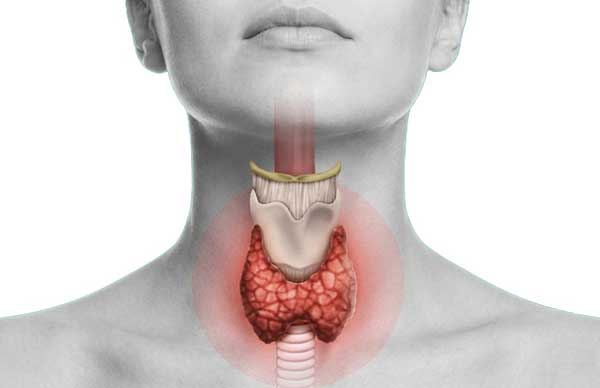
The thyroid gland regulates metabolism, energy levels, body weight, mood, and reproductive health. Given that thyroid disorders are significantly more common in Indian women — particularly hypothyroidism — a Thyroid Function Test (TFT) that measures TSH, T3, and T4 levels is a must-do screening. Many women living with thyroid disorders remain undiagnosed for years, attributing their symptoms of fatigue, weight gain, hair loss, and irregular periods to stress.
Who should get it: All women from age 25, especially those with irregular periods, unexplained weight changes, or a family history of thyroid disease.
Why it matters: When detected early, thyroid disorders are highly manageable with medication and lifestyle changes. Moreover, untreated thyroid conditions during pregnancy can adversely affect both maternal and fetal health.
Screening 4: Blood Sugar and Lipid Profile Test — For Diabetes and Cardiovascular Risk
India is often referred to as the diabetes capital of the world, and women — particularly those with PCOS, a sedentary lifestyle, or a family history of diabetes — are at significant risk. A fasting blood sugar test along with HbA1c (which measures average blood sugar over three months) helps diagnose pre-diabetes and diabetes early. Alongside this, a lipid profile test measuring total cholesterol, LDL, HDL, and triglycerides helps assess cardiovascular risk.
Who should get it: All women from age 25 onwards, annually; more frequently if overweight or with a family history.
Why it matters: Pre-diabetes and borderline cholesterol levels are reversible through diet and exercise if caught early. However, if left unchecked, they significantly increase the risk of heart disease, stroke, and kidney failure over time.
Screening 5: Complete Blood Count (CBC) and Bone Density Assessment — For Anaemia and Osteoporosis Prevention
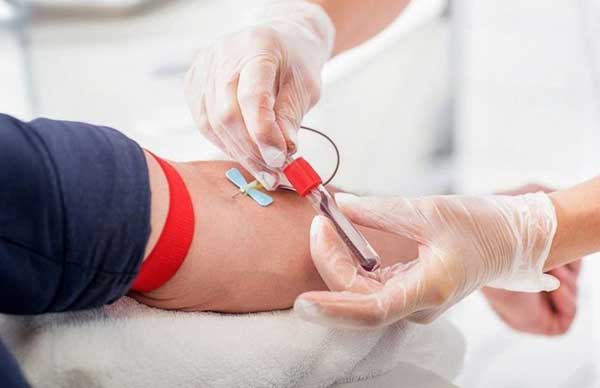
A Complete Blood Count (CBC) is one of the most fundamental health tests that every woman should undergo regularly. It detects anaemia, infections, and blood disorders by measuring red blood cells, white blood cells, haemoglobin, and platelets. Additionally, a vitamin D and calcium screening — combined with a bone density scan (DEXA scan) for women approaching 35 — helps assess the risk of osteoporosis, a condition that disproportionately affects Indian women due to widespread vitamin D deficiency and low calcium intake.
Who should get it: All women annually from age 20; bone density assessment from age 30–35 onwards.
Why it matters: Anaemia reduces oxygen supply to the body's organs, causing long-term fatigue and reduced immunity. Meanwhile, osteoporosis silently weakens bones for decades before fractures occur — making early detection and nutritional correction absolutely vital.
In a society where women are conditioned to put everyone else first, choosing to prioritise your own health is, in itself, an act of strength and self-respect. The five health screenings discussed in this blog — cervical cancer screening, breast examination, thyroid function test, blood sugar and lipid profile, and CBC with bone density assessment — are not luxury checkups. They are essential preventive tools that can detect conditions early, when they are most treatable.
Ultimately, investing in regular women's health screenings before the age of 40 is one of the most impactful decisions you can make — not just for yourself, but for your family and future. After all, a healthier woman means a healthier home, a healthier community, and a healthier India.
So take that first step today. Book your health screening, consult your gynaecologist or general physician, and make preventive care a non-negotiable part of your annual routine. Because your health doesn't just matter — it is everything.